



 60-Day Risk-Free Trial
 Free Local Shipping3-Year Warranty

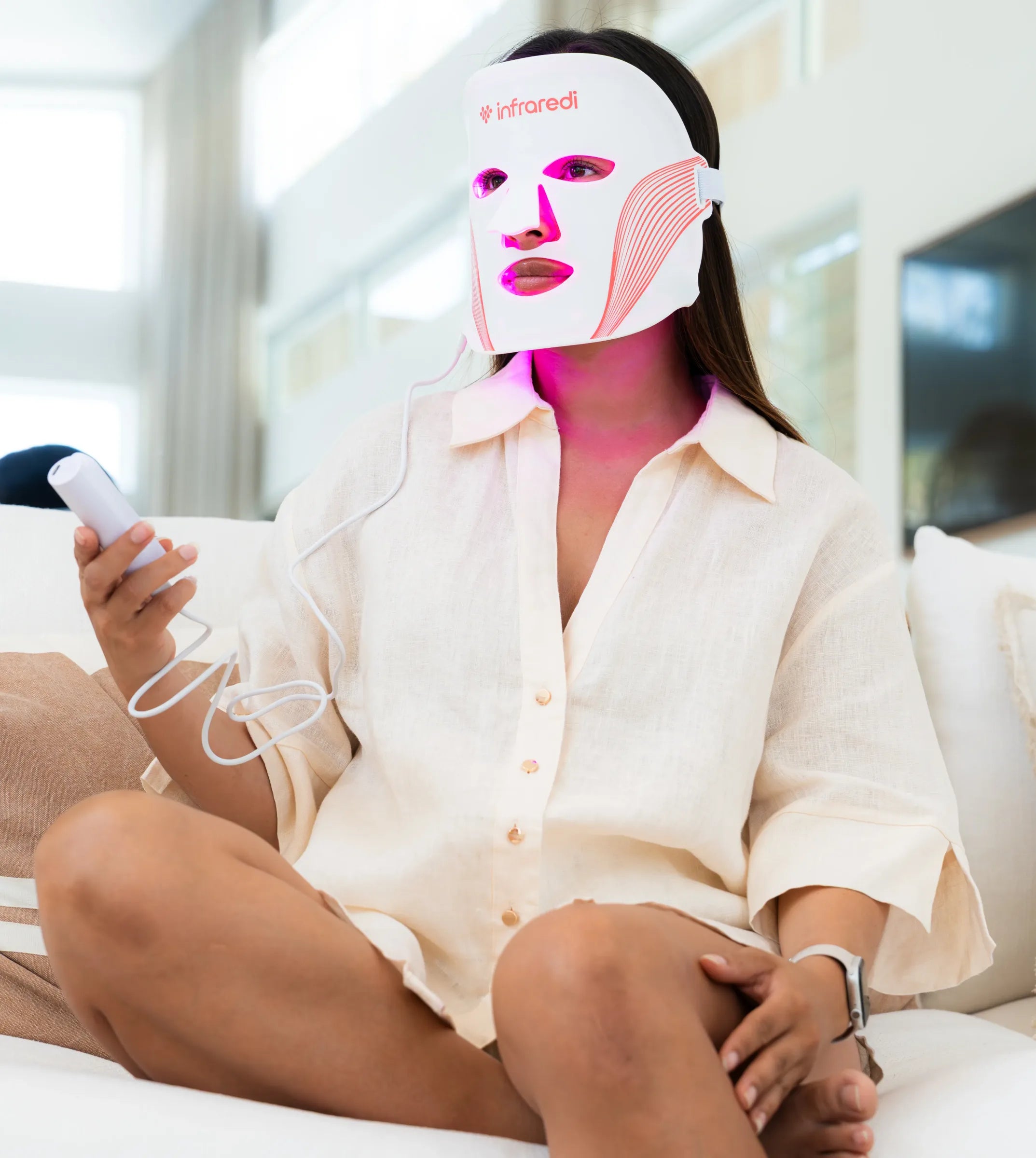
Skin health
Red and near-infrared light for collagen, tone and fewer fine lines. Ten minutes a day, no clinic, no downtime.
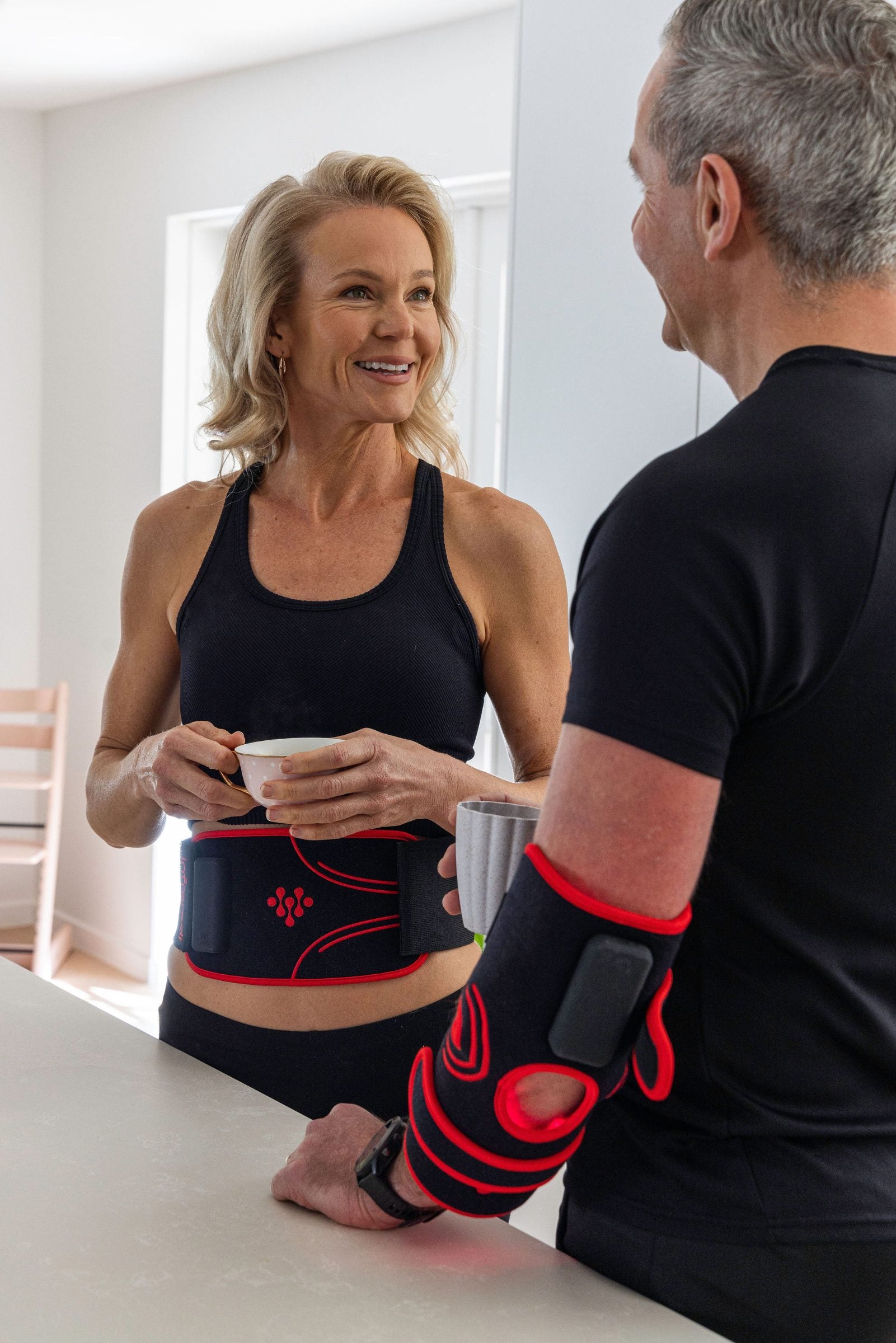
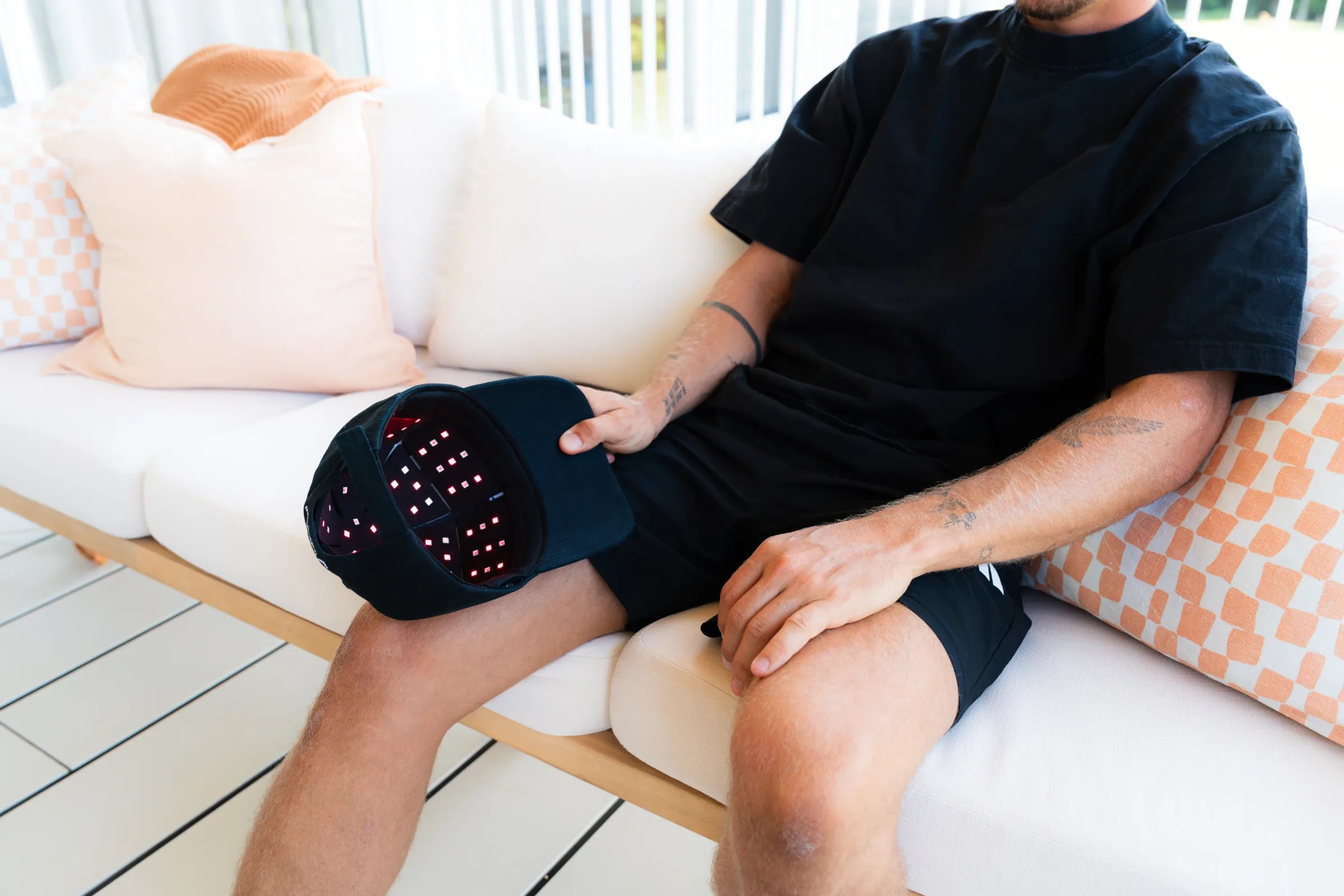
Devices for skin health
5 devices · best for skin first


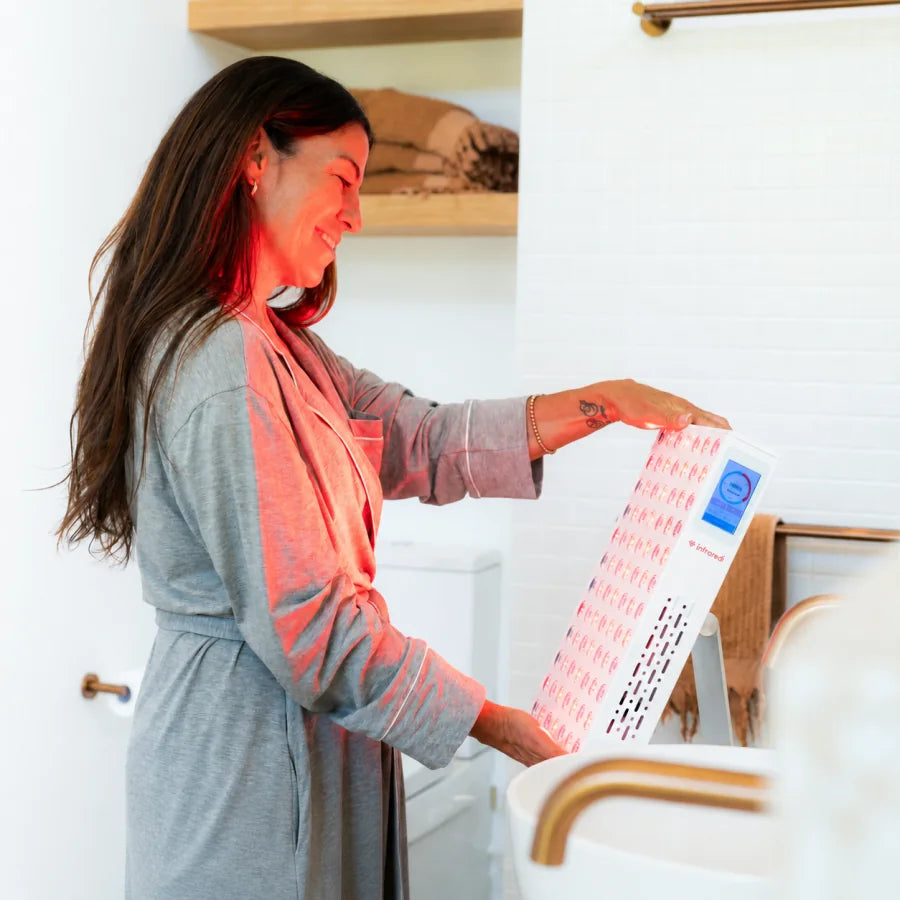

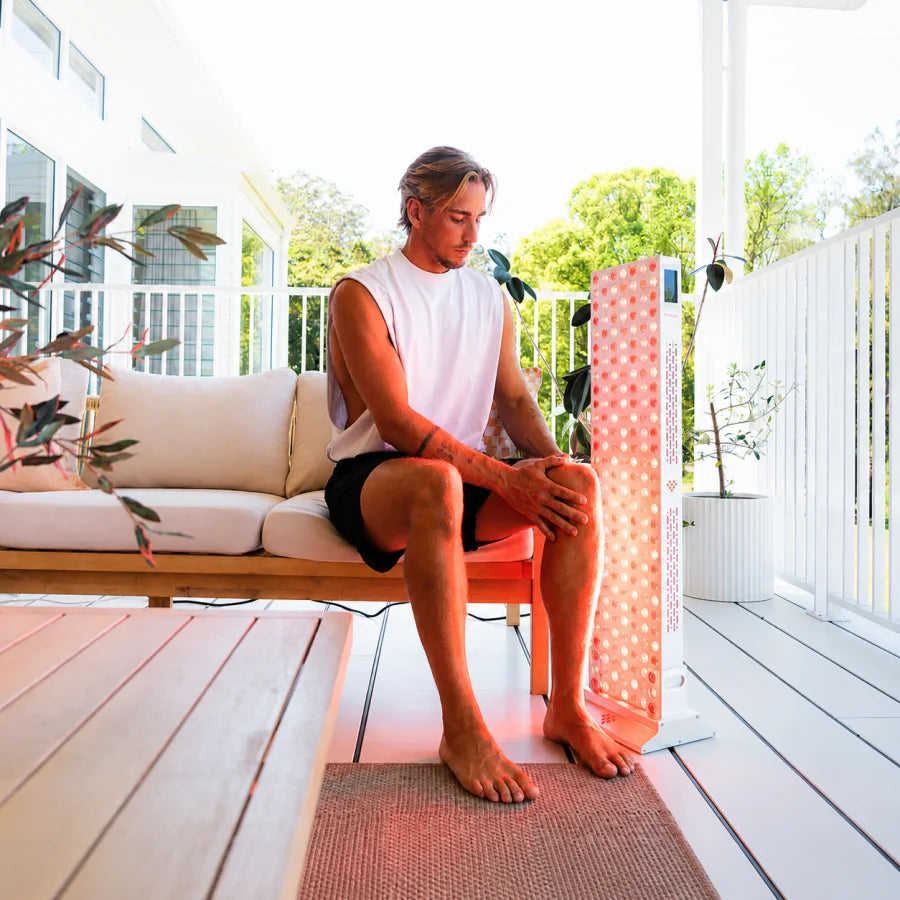

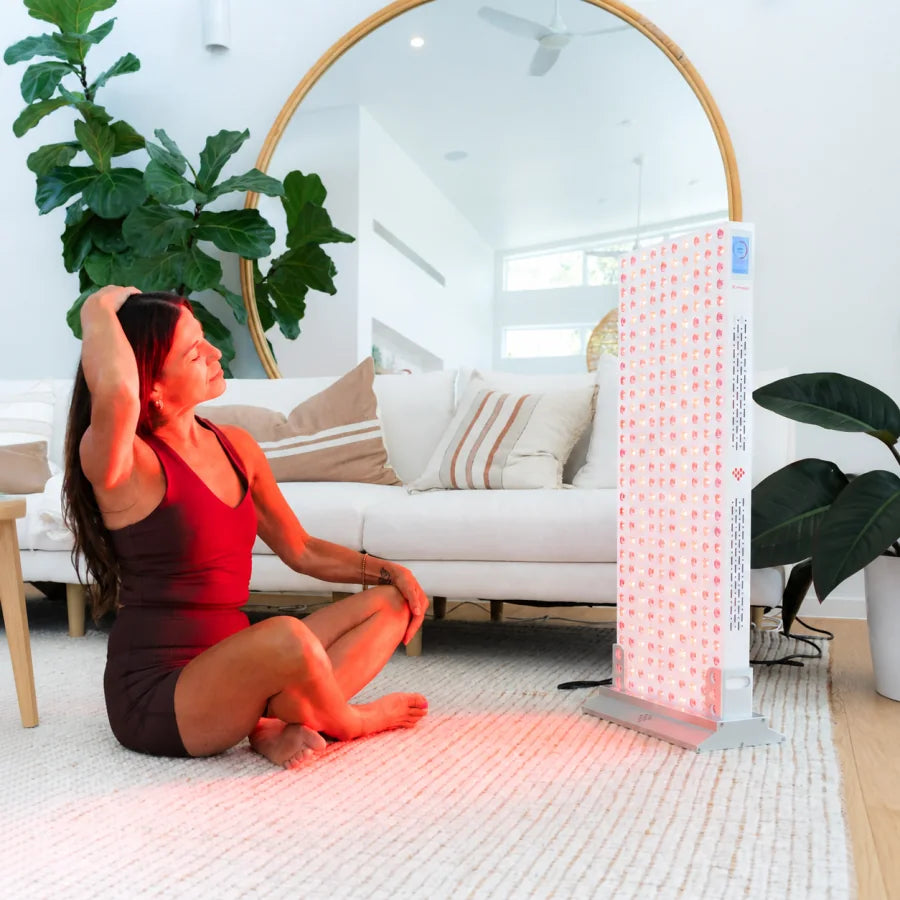

Firmer, smoother, brighter skin. From the inside out.

Boosts collagen
Red light energises fibroblasts, the cells that make collagen and elastin, so skin regains firmness and fine lines soften.

Evens tone & calms redness
Better circulation and lower inflammation in the skin reduce redness and blotchiness, leaving a more even, rested complexion.

Speeds skin repair
Skin cells with more energy turn over faster, so blemishes, sun damage and post-treatment recovery all clear more quickly.
How light works on skin.
Red light therapy (photobiomodulation) uses specific wavelengths of light to influence biological activity. In skin, light is absorbed by light-sensitive molecules in cells, triggering the responses that rebuild collagen, improve circulation and speed repair.
Light reaches the skin
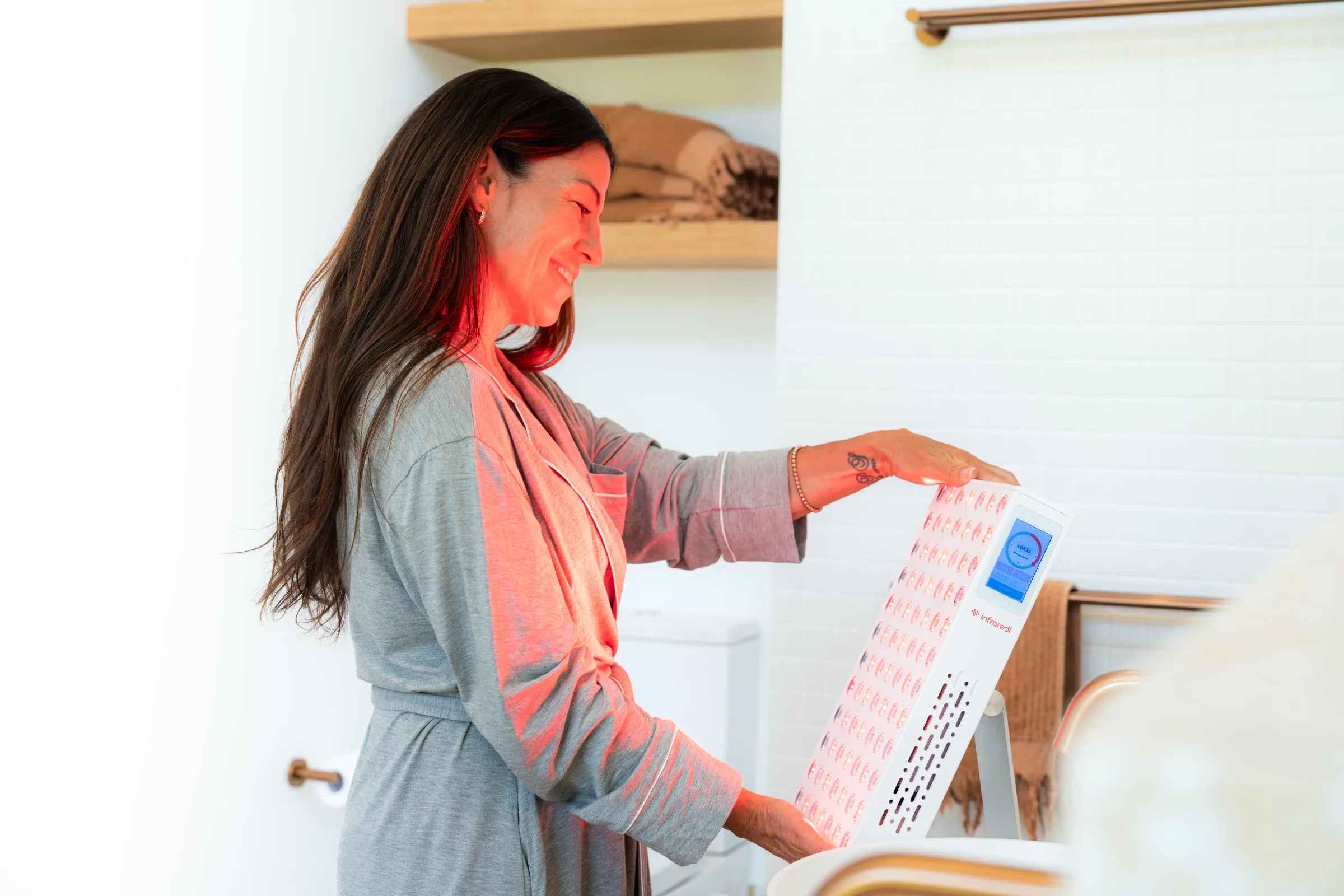
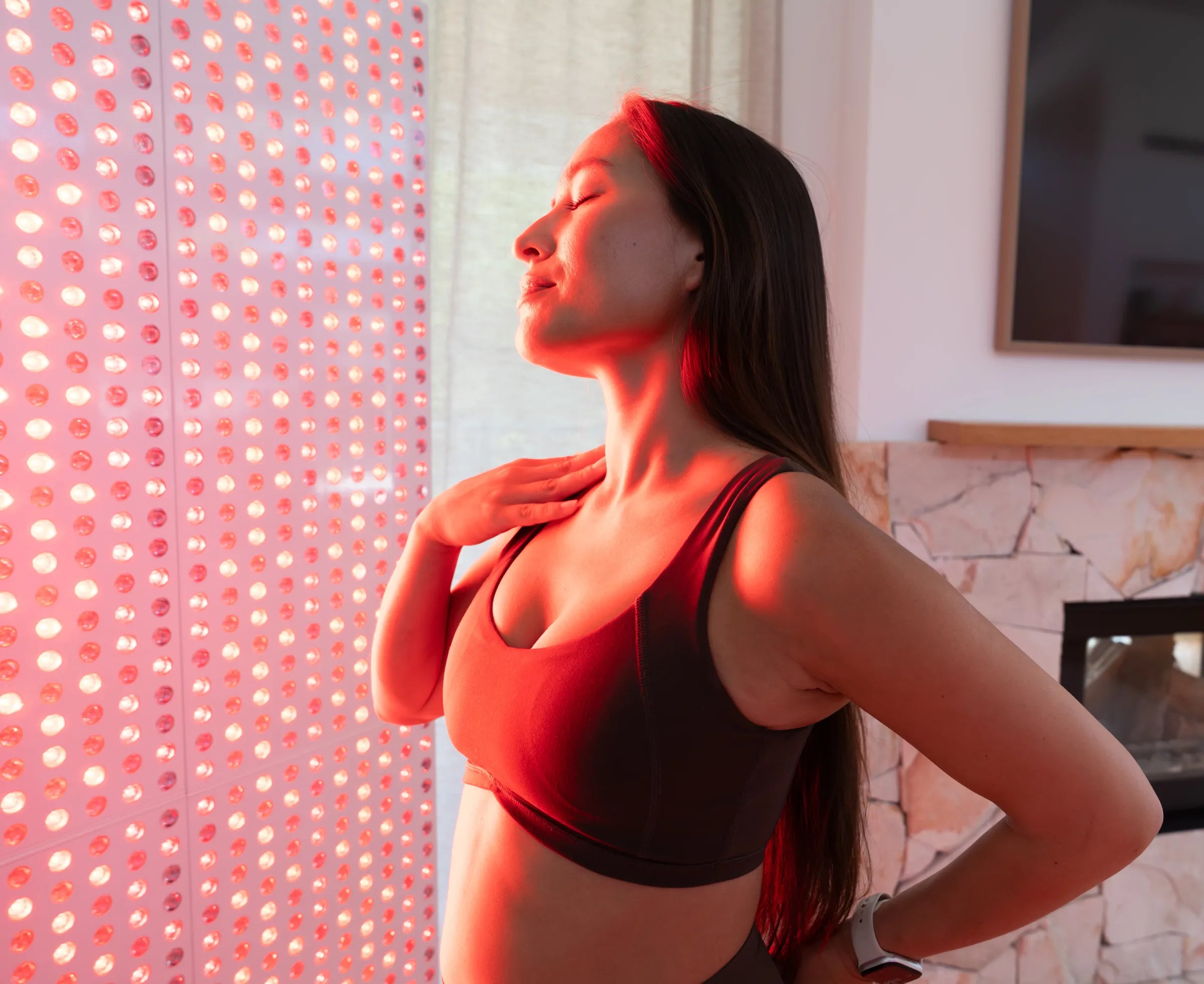
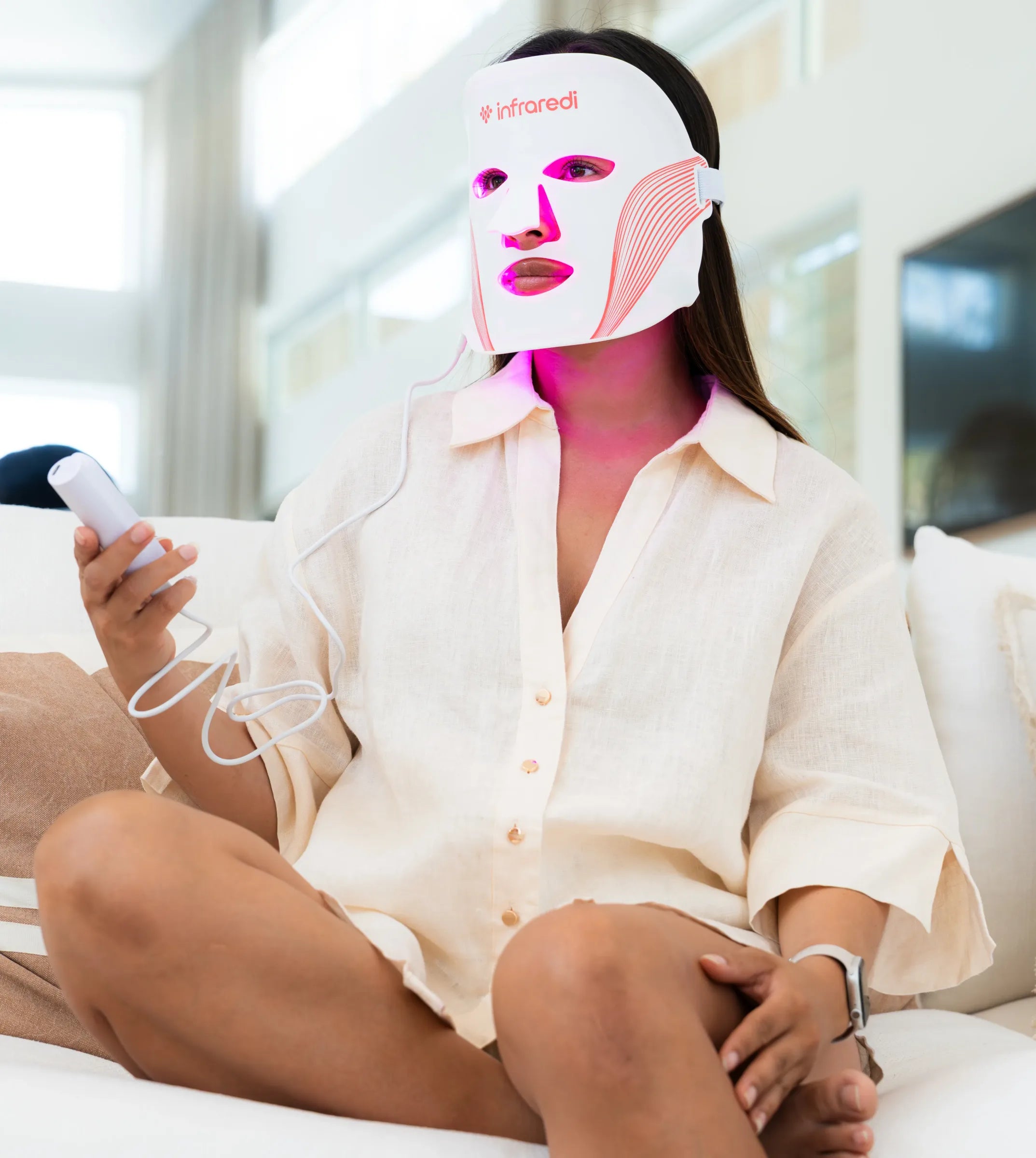
The mask sits directly on the face; a panel bathes face, neck and décolletage from a short distance. Either way the skin is flooded with red and near-infrared light for ten minutes.
Skin cells respond
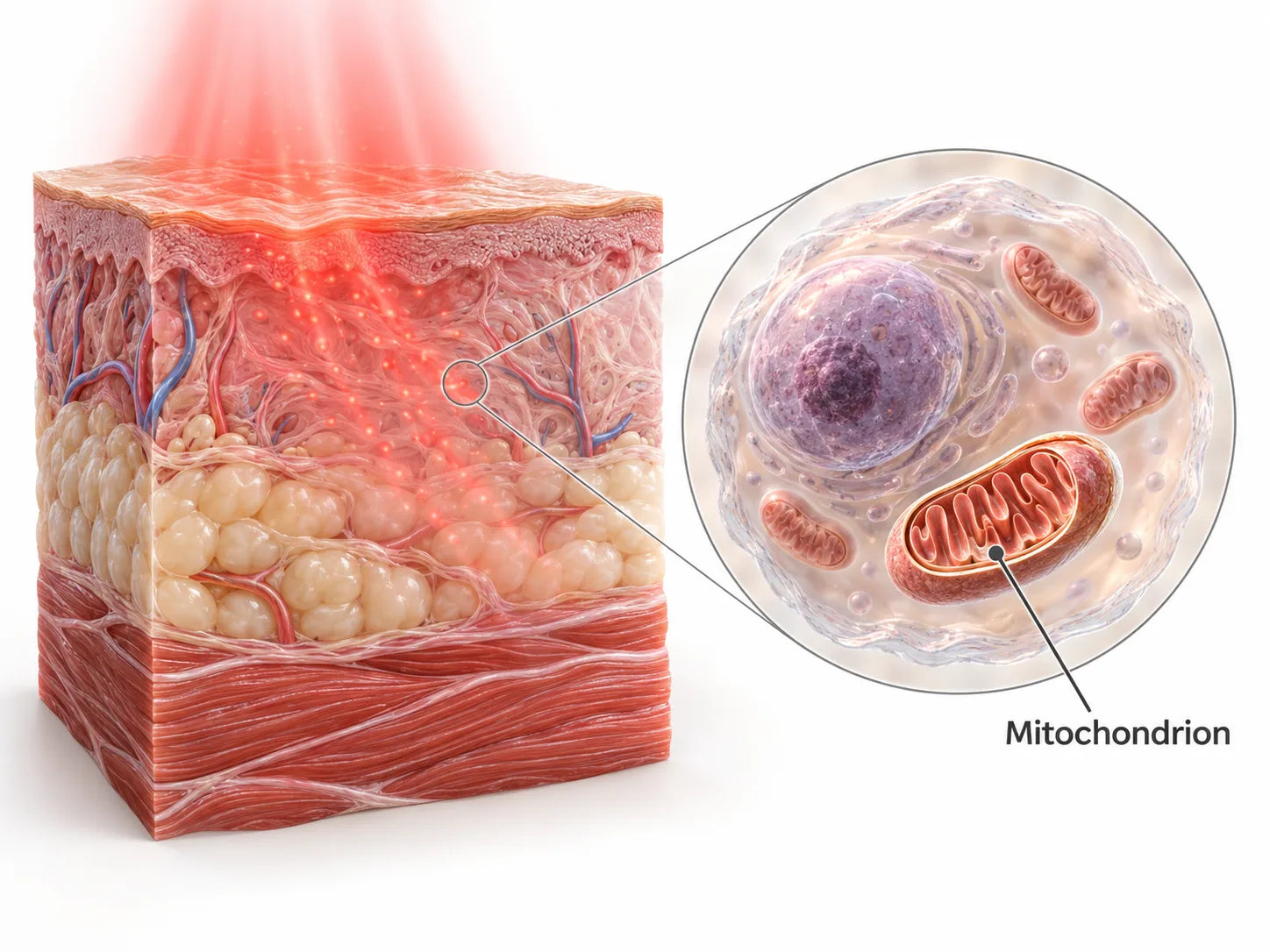
Light-sensitive molecules in skin cells absorb the light. This boosts mitochondrial activity and improves blood flow, delivering more oxygen and nutrients to the dermis.
Energy for collagen
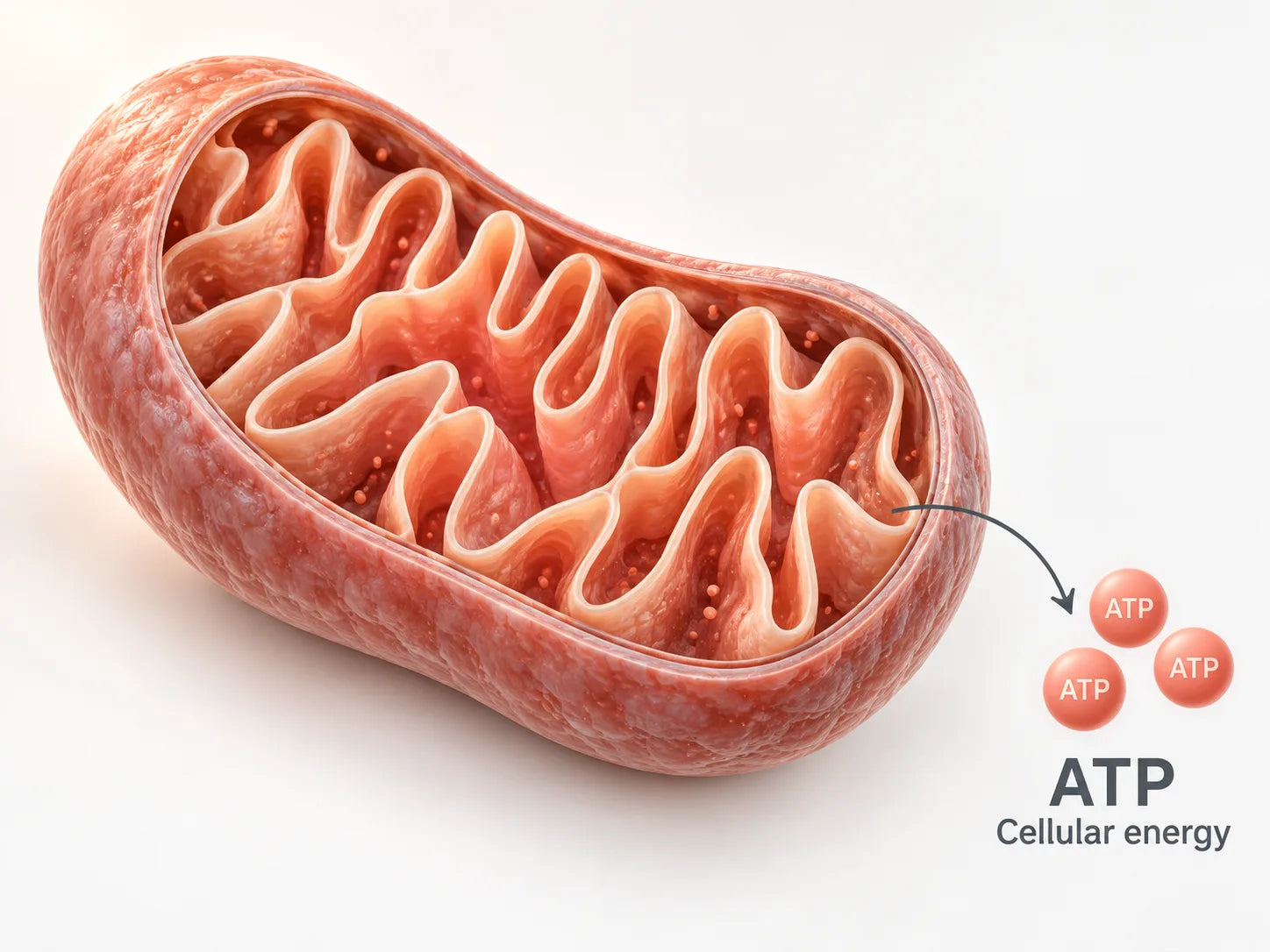
ATP is the fuel skin cells run on. Fibroblasts with more of it produce more collagen and elastin, the proteins that keep skin firm, plump and smooth.
From cells to what you see
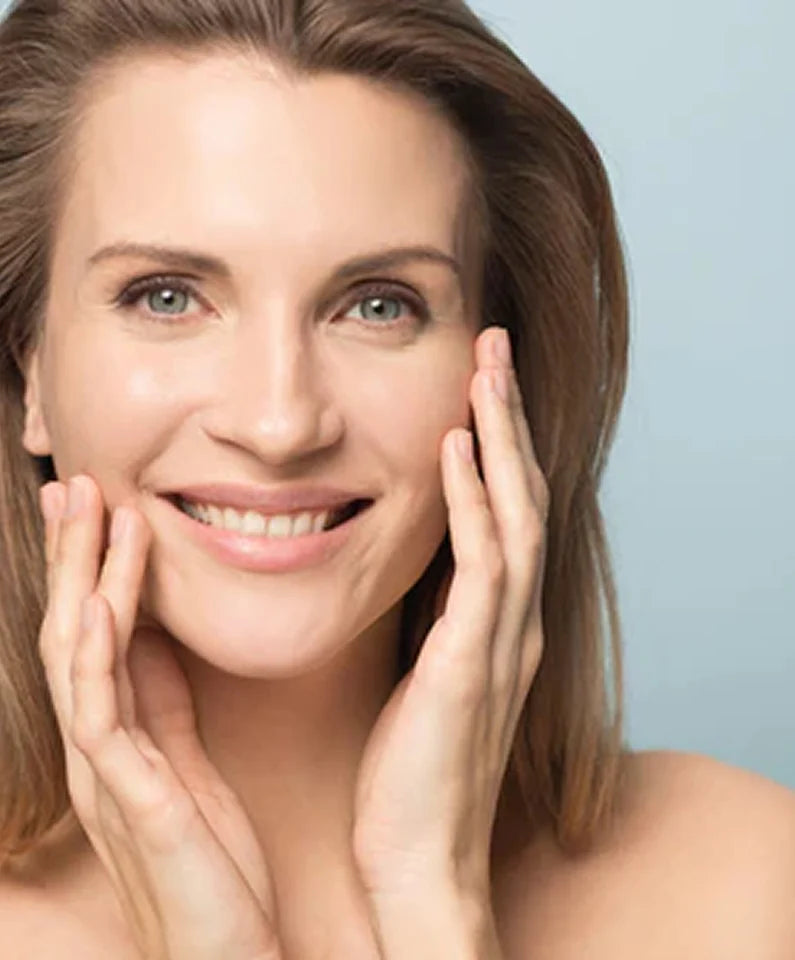
Over eight to twelve weeks these cellular responses show up as fewer fine lines, more even tone and a brighter, firmer complexion. Consistency matters more than session length.
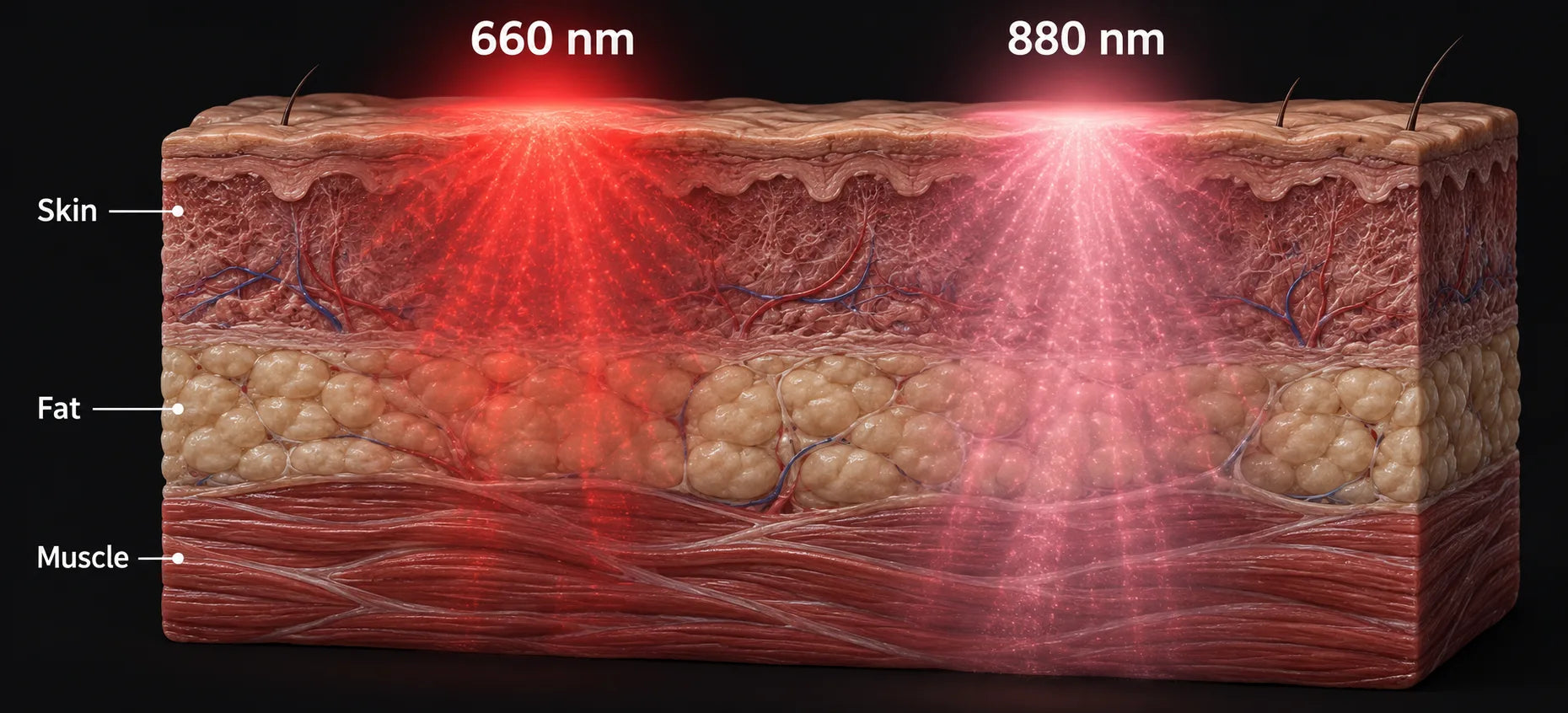
Two bands of light. One works at the surface, the other in the dermis below.
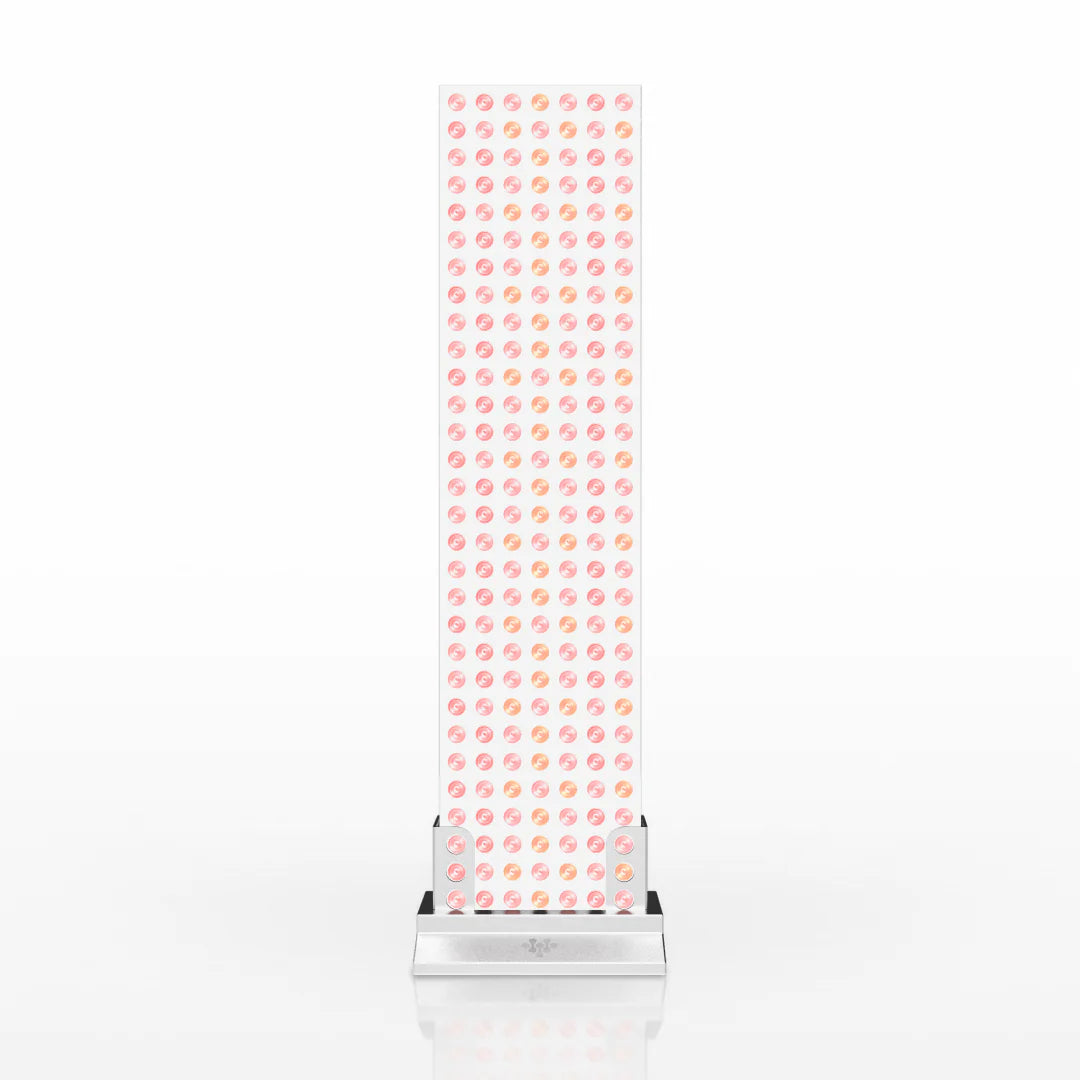
The face mask pairs 630 nm red with 850 nm near-infrared. Pro Series panels spread five wavelengths across both bands (630, 660, 810, 830 and 850 nm), so the epidermis and the collagen-producing dermis beneath it are stimulated in the same session.
Red light · 630–660 nm
Visible red light is absorbed in the epidermis and upper dermis, where it boosts circulation, calms redness and energises the cells that renew the skin surface.
Near-infrared · 810–880 nm
Invisible near-infrared travels deeper into the dermis, where fibroblasts build collagen and elastin. Stacking 810, 830 and 850 nm in the panels covers the full depth of that band.
Wavelength is one part of treatment. Output, distance and session duration also matter. For skin, consistency wins: ten minutes most days beats an hour once a week.
of participants reported significantly fewer wrinkles after 12 weeks of LED therapy.
average rating across 905 verified customer reviews.
happy customers treating their skin at home with Infraredi.
day risk-free trial. Feel the difference or send it back.

Trusted by thousands




Common questions
Most people notice a brighter, more even complexion within the first few weeks. Collagen takes longer to rebuild, so allow eight to twelve weeks of sessions four to five times a week for changes in firmness and fine lines.
The mask is the simplest way to treat the face daily. A panel treats face, neck and chest at once, and a larger panel adds body skin too. If skin is your only goal, start with the mask; if you also want recovery benefits, choose a panel.
Yes. Use it on clean, product-free skin, then apply serums and moisturiser afterwards. It is commonly used to support recovery after facials, microneedling and laser, once your practitioner clears you.
Yes. It produces no UV and no heat damage, and works the same across skin tones. Speak with your doctor if you are pregnant, photosensitive or on medication that affects light sensitivity.
Mask or panel? Not sure which is right for your skin?
Take our quick quiz to match a device to your skin goals and routine.
TAKE THE QUIZ NOWAnswer a few quick questions about your skin, goals and lifestyle.