



 60-Day Risk-Free Trial
 Free Local Shipping3-Year Warranty

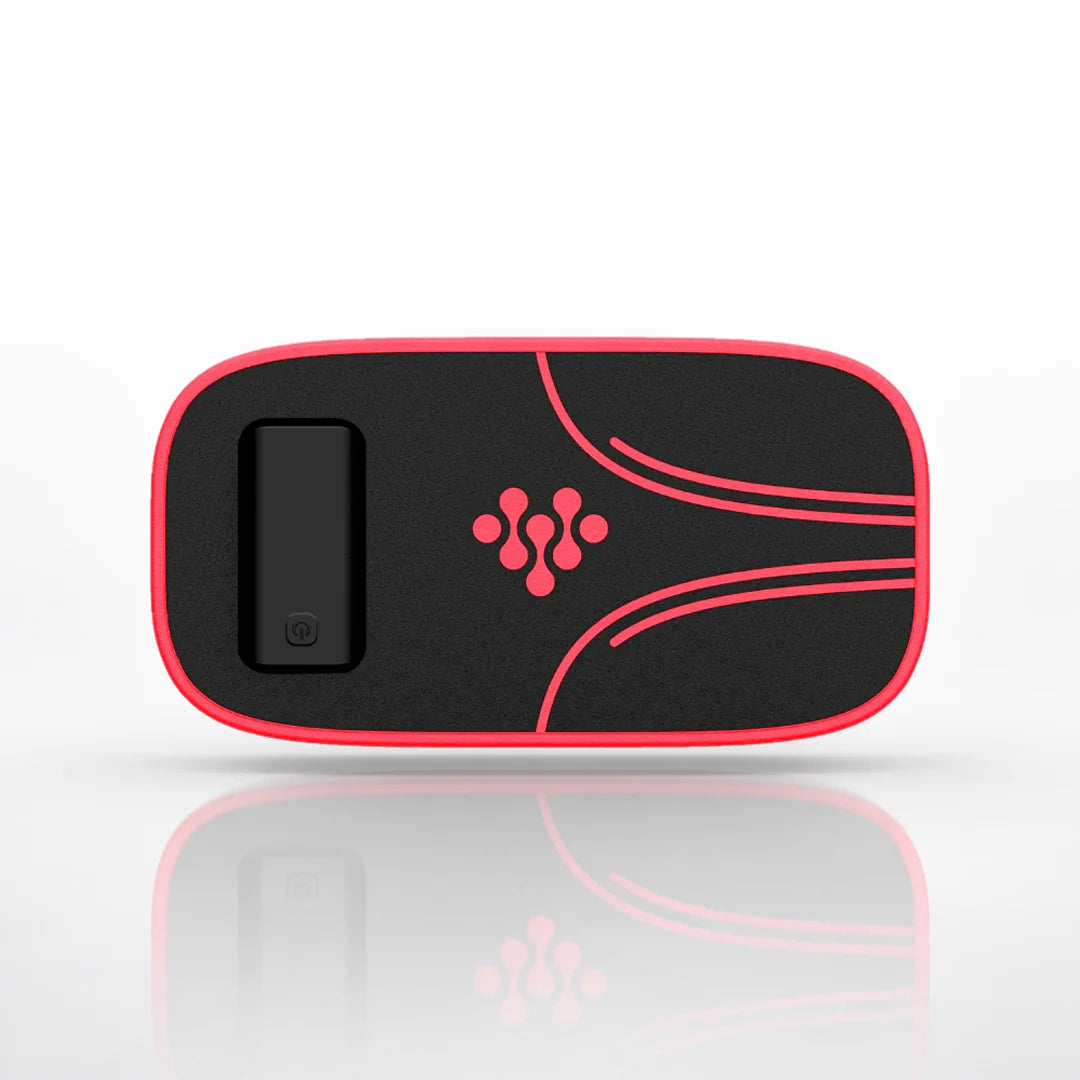
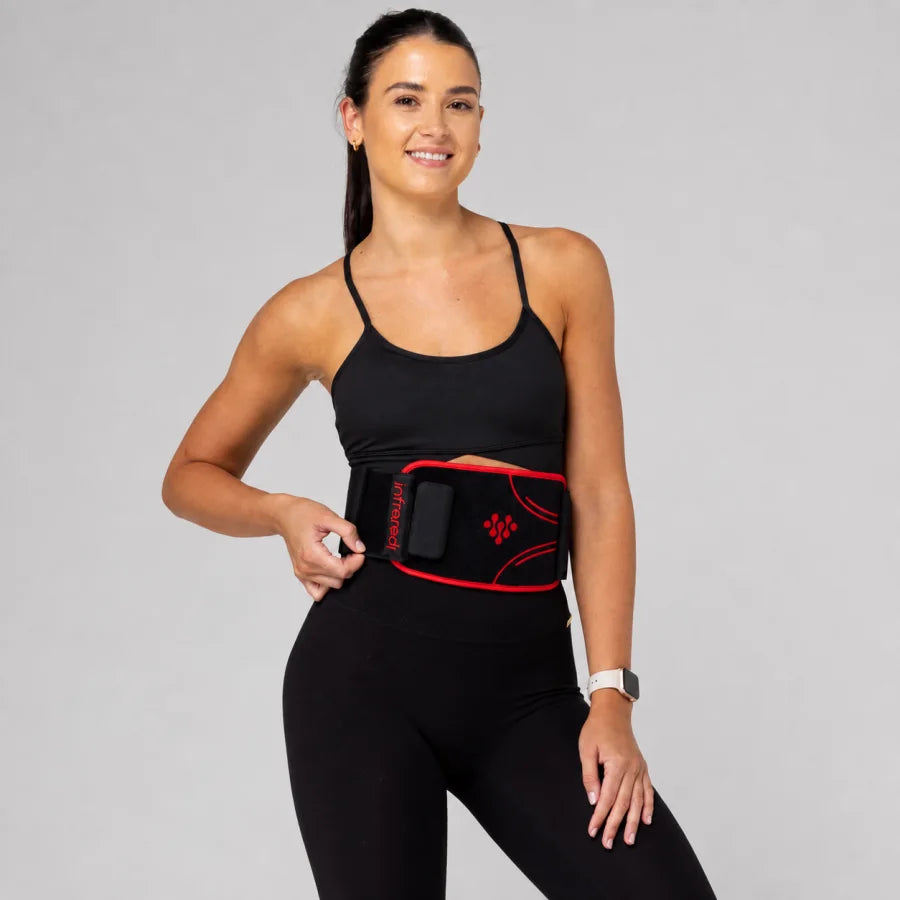
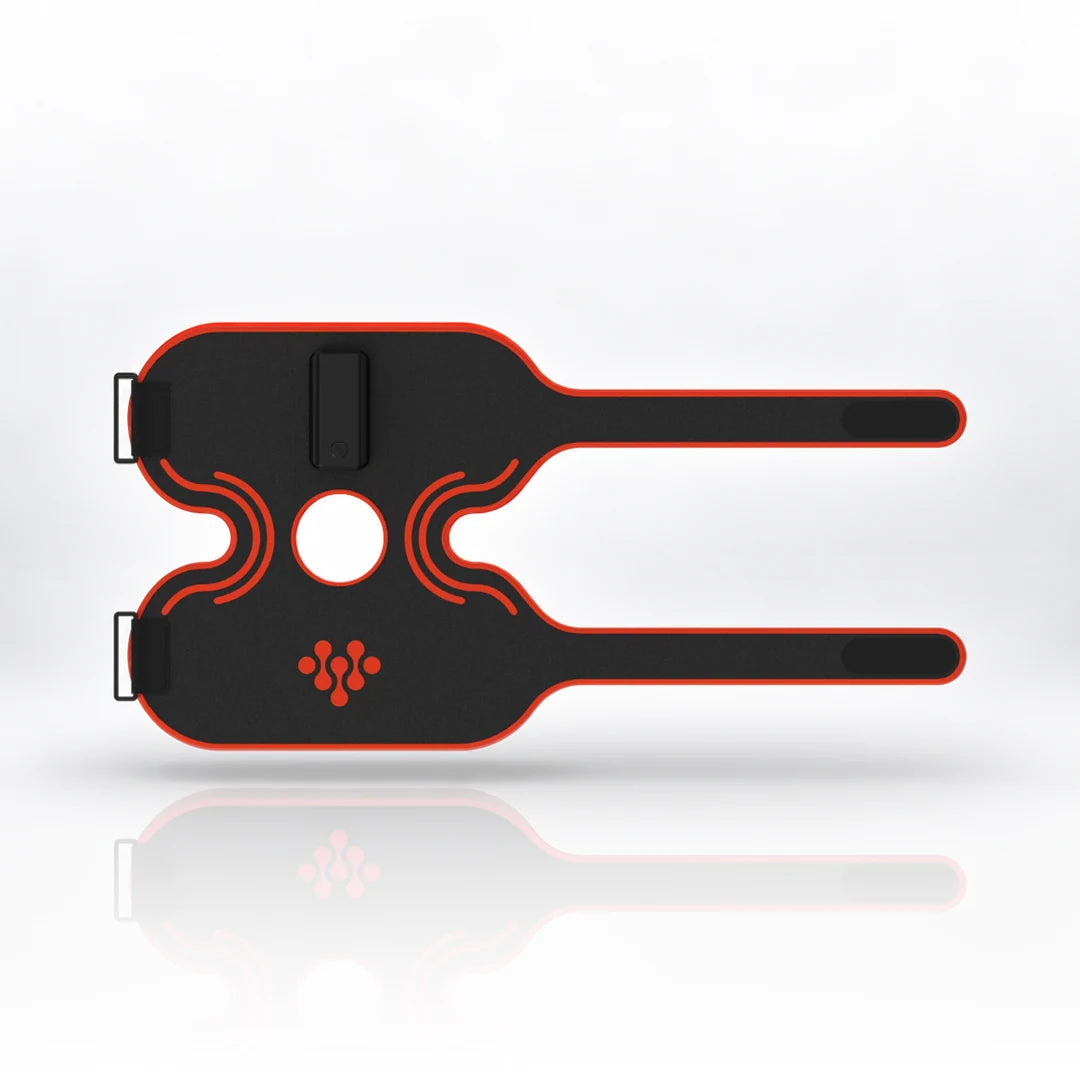
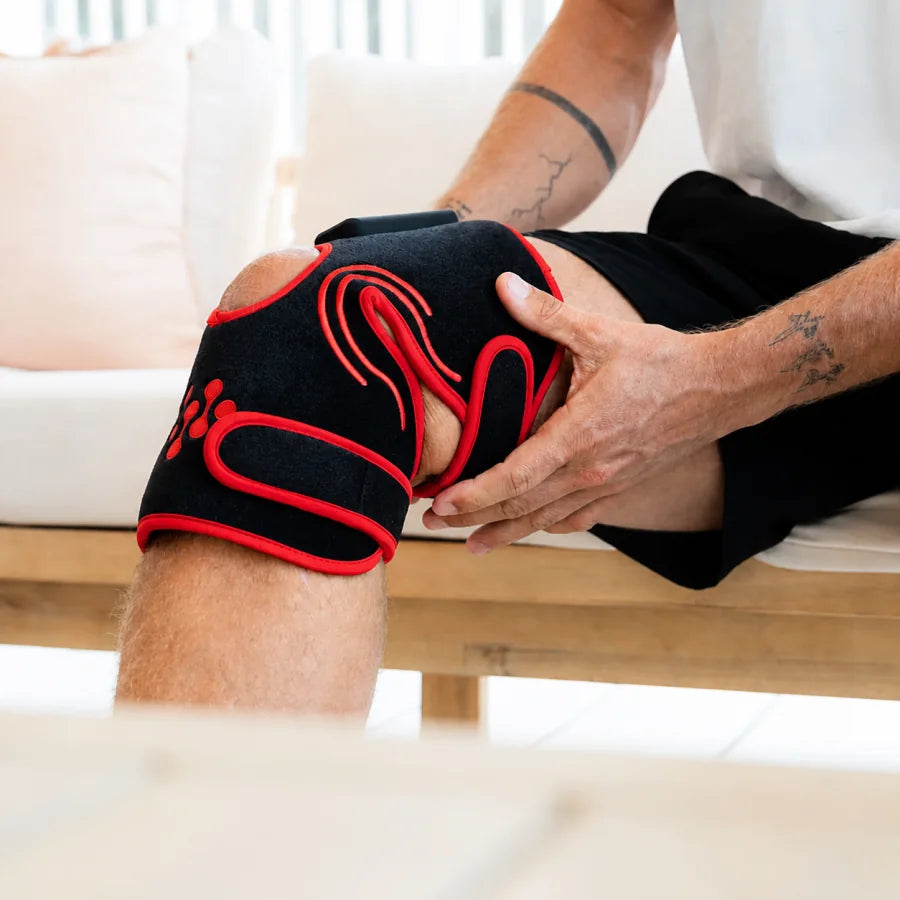
Pain & inflammation relief
Targeted red light for joints, backs and sore muscles. Drug-free, at home.
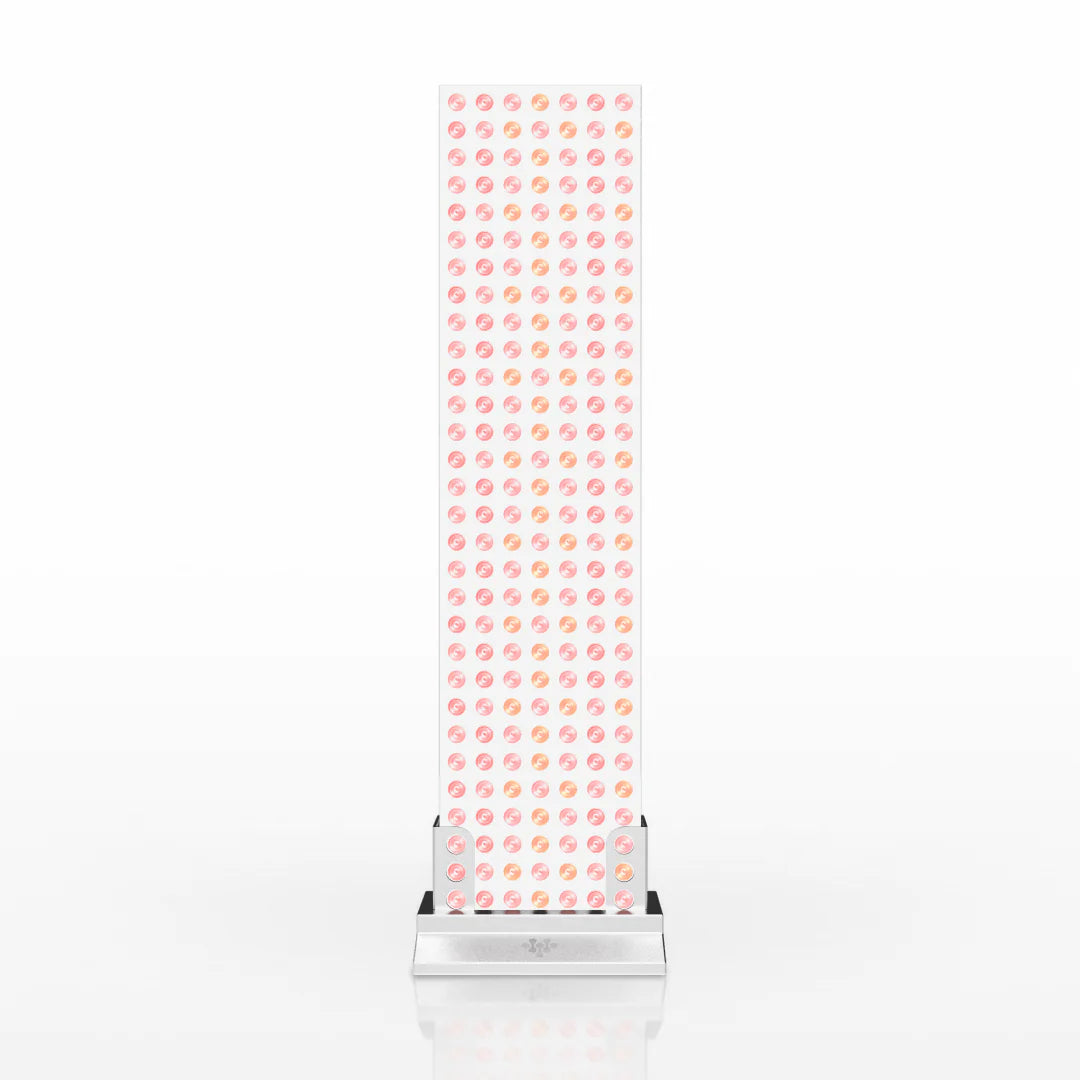
Devices for pain relief
10 devices · sorted by best for pain



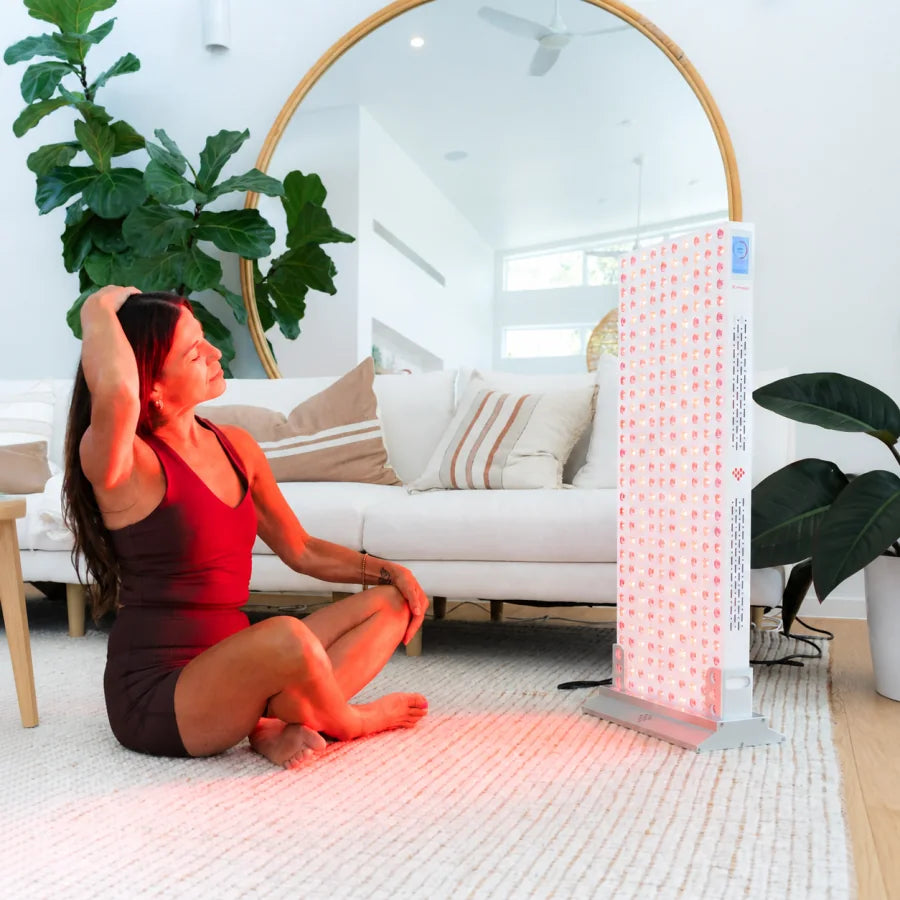


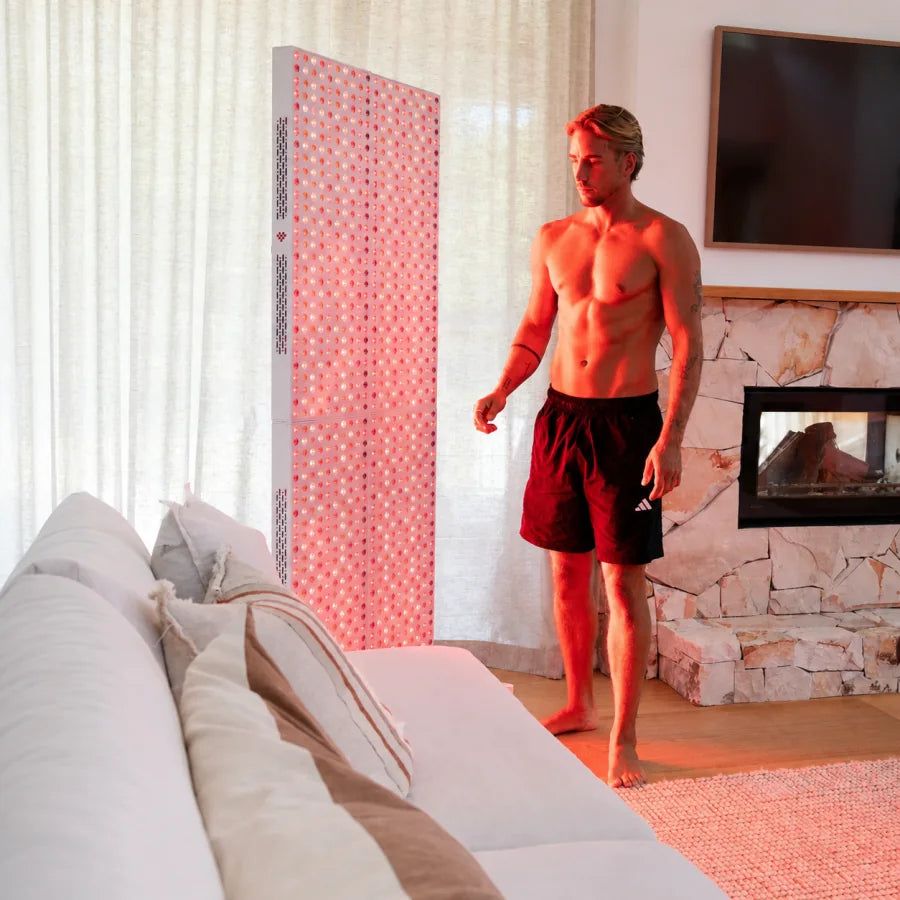
Treat the cause, not just the symptom
Eases joint & muscle pain
Light energy is absorbed by cells around the joint, supporting natural repair and reducing the ache you feel day to day.
Calms inflammation
Improved circulation helps clear the by-products that keep tissue swollen, stiff and sore.
Speeds recovery
Ten to twenty minutes a session, a few times a week, is all it takes to keep you moving.
How light works on pain and inflammation.
Red light therapy (photobiomodulation) uses specific wavelengths of light to influence biological activity. In sore, inflamed tissue, light is absorbed by light-sensitive molecules in cells, triggering the responses that ease pain and speed recovery.
Light reaches the treatment area
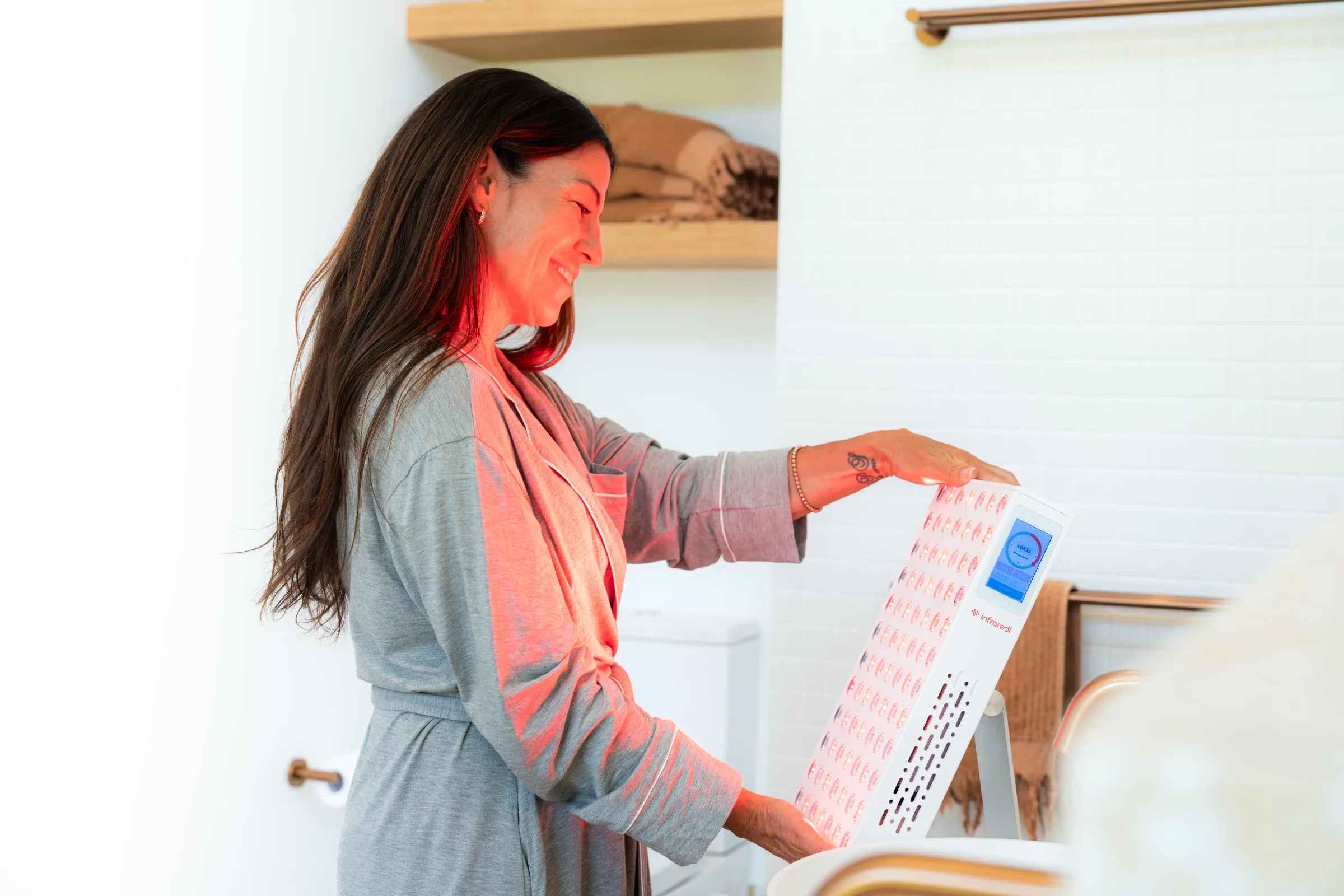
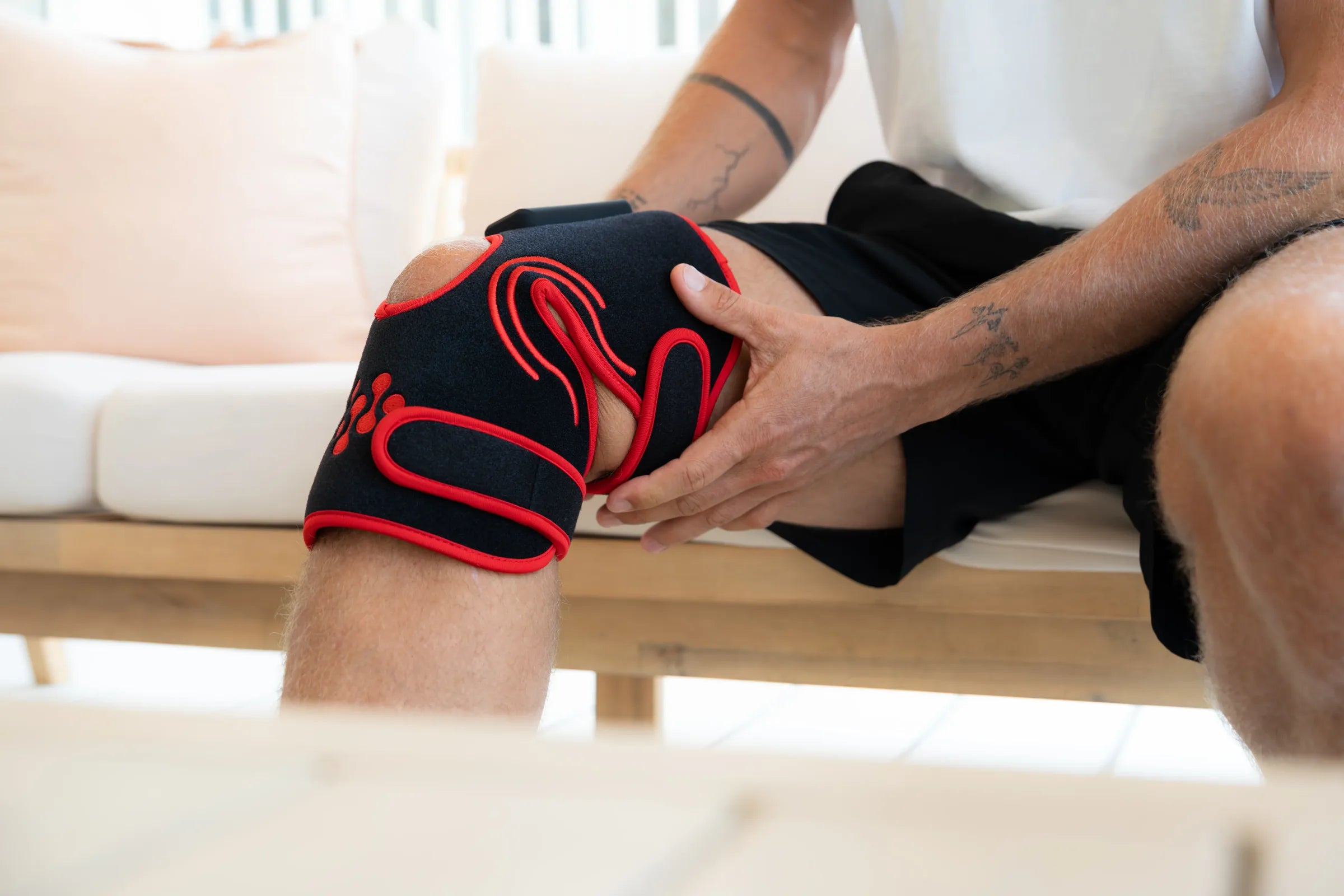
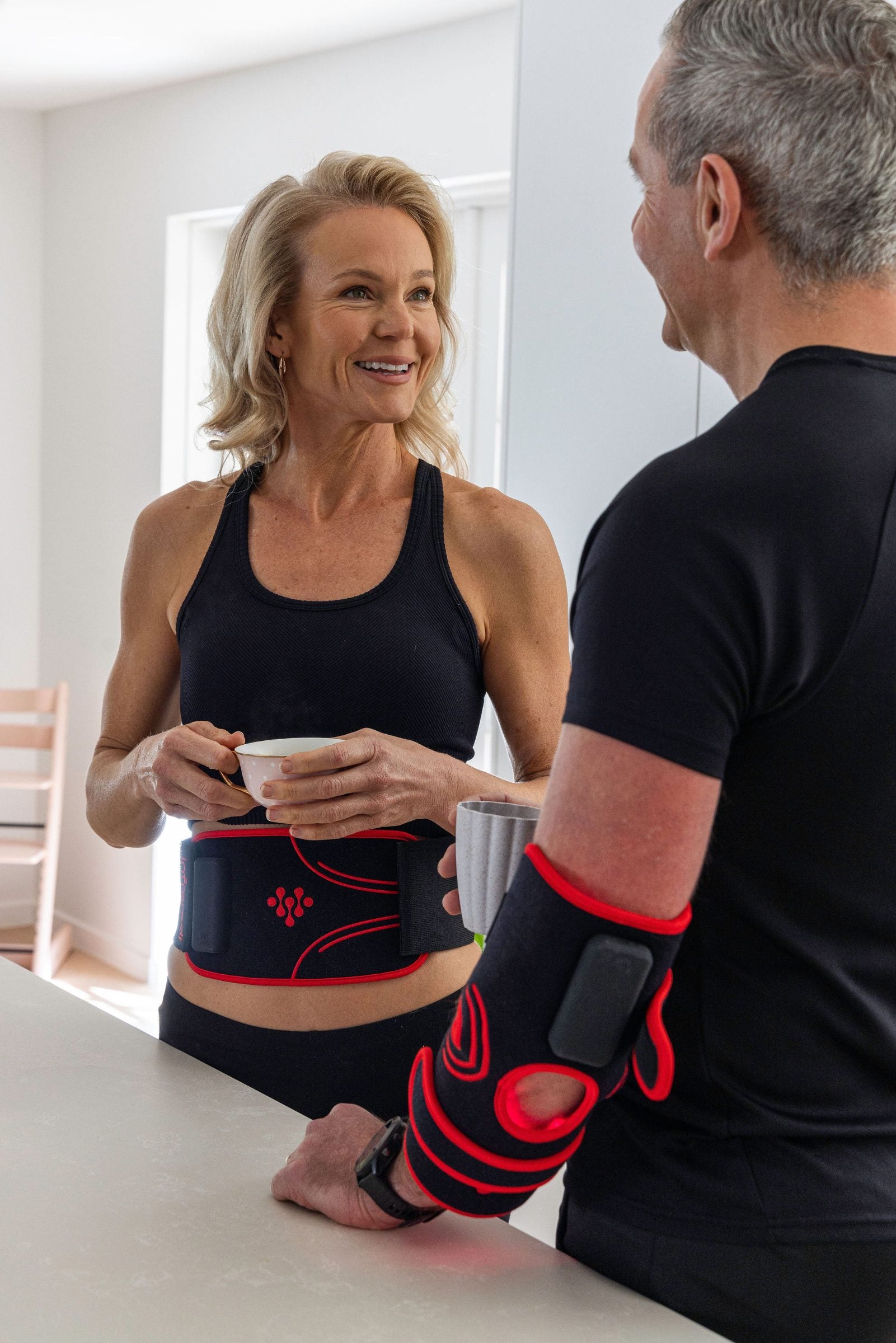
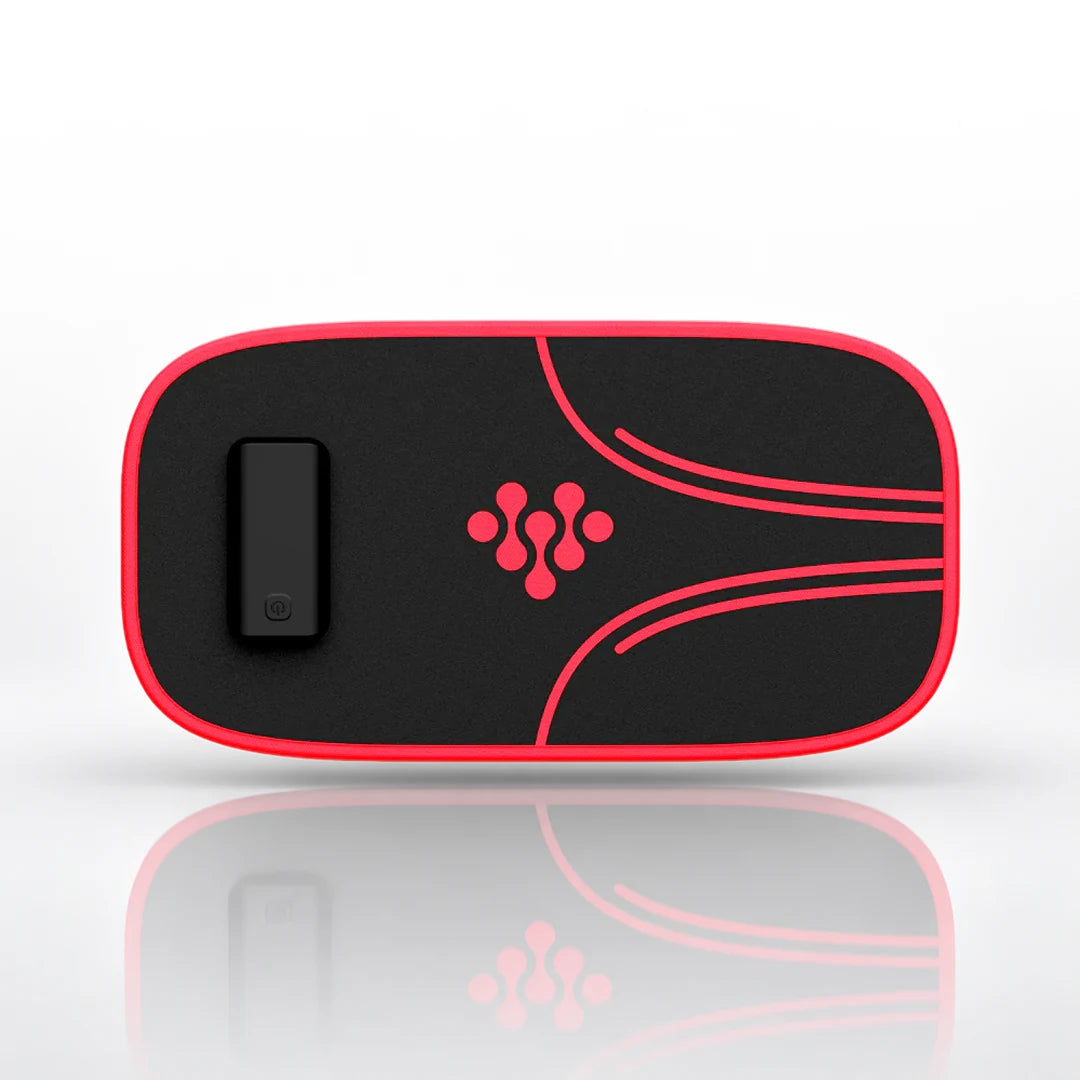
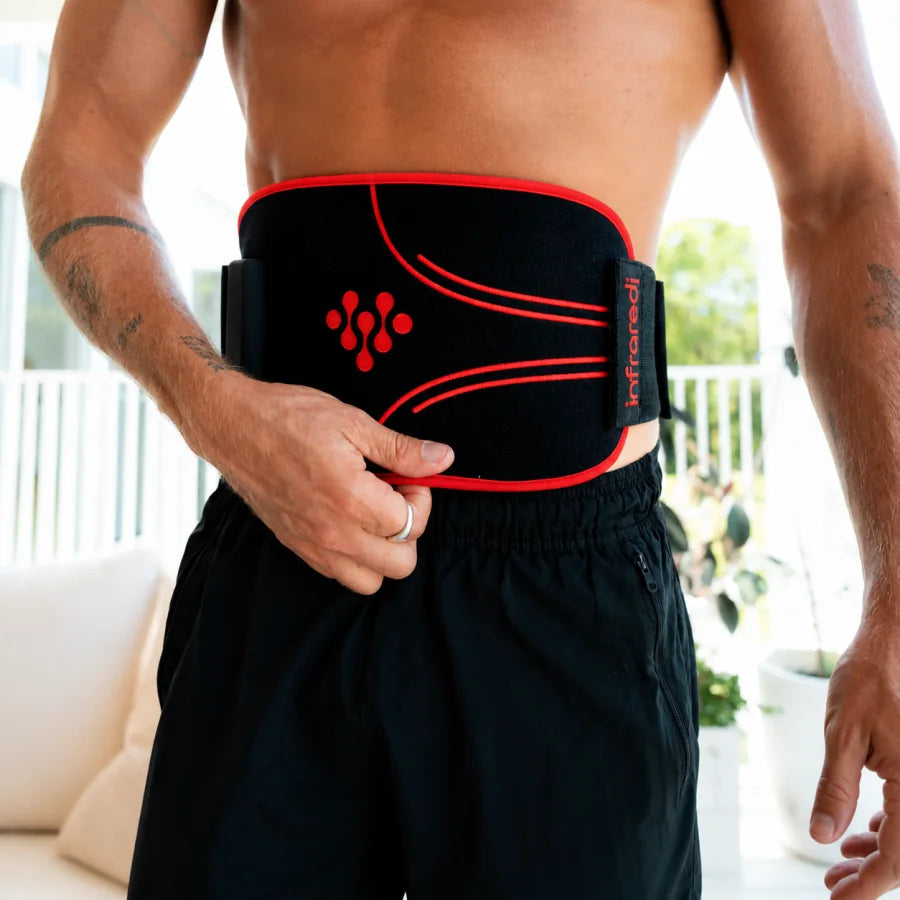
A wrap or panel delivers red and near-infrared light straight to where it hurts: a knee, a lower back, a stiff shoulder. Direct skin contact means less light is lost before it reaches the tissue.
Cells in sore tissue respond
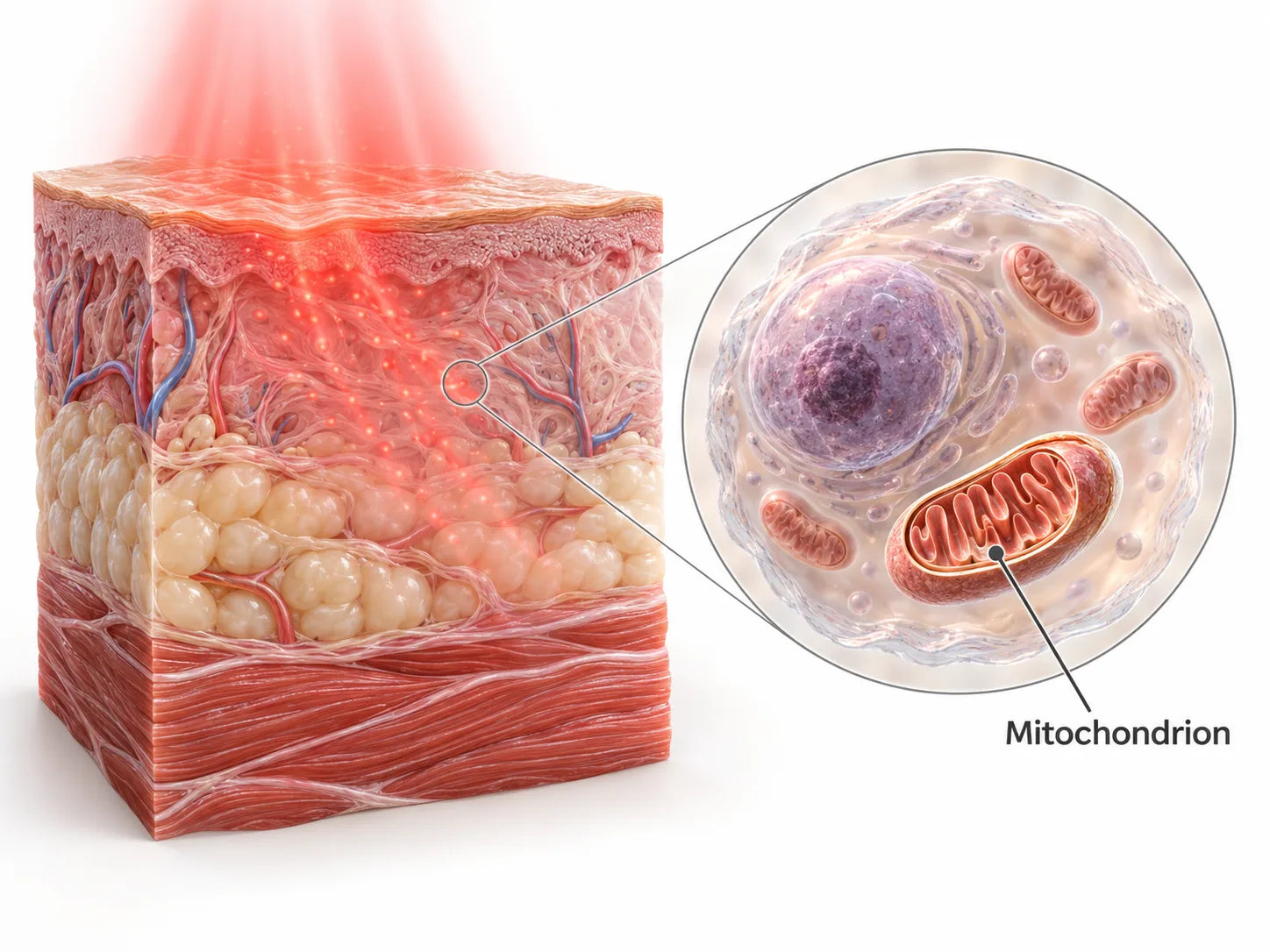
Light-sensitive molecules in muscle, tendon and joint cells absorb the light. This boosts mitochondrial activity and dials down the cell signals that drive inflammation.
Energy for repair
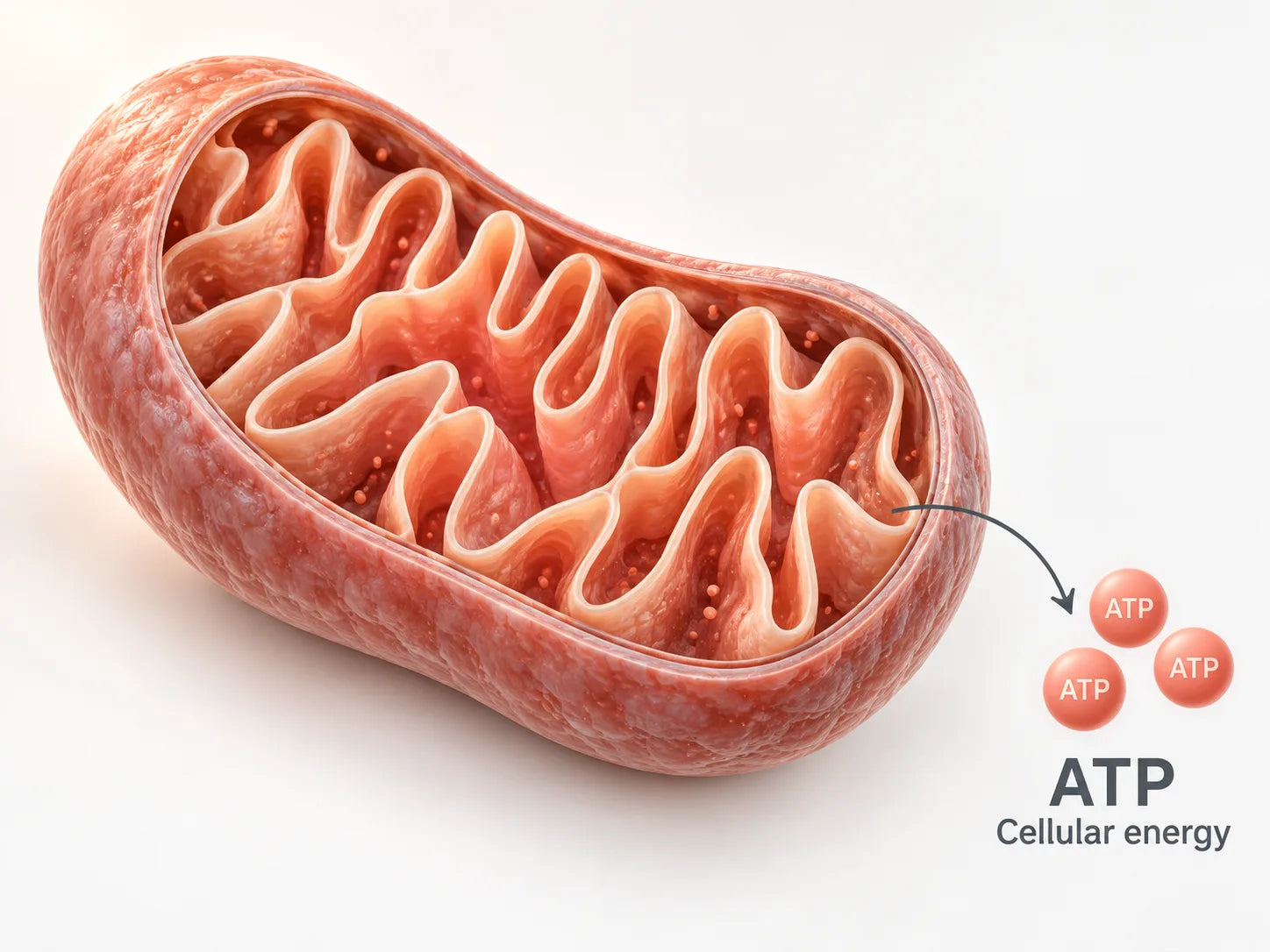
ATP is the energy cells use to repair themselves. More energy in stressed tissue means less inflammation, better circulation and faster recovery.
From cells to less pain

These cellular responses are what reduce joint pain, arthritis stiffness and muscle soreness. Ten to twenty minutes a session, a few times a week, alongside your usual care.
Two bands of light. One reaches the skin, the other reaches deep tissue.
Wraps pair 660 nm red with 880 nm near-infrared. Pro Series panels spread five wavelengths across both bands (630, 660, 810, 830 and 850 nm), so surface inflammation and deeper pain in muscles, joints and the back are treated in the same session.
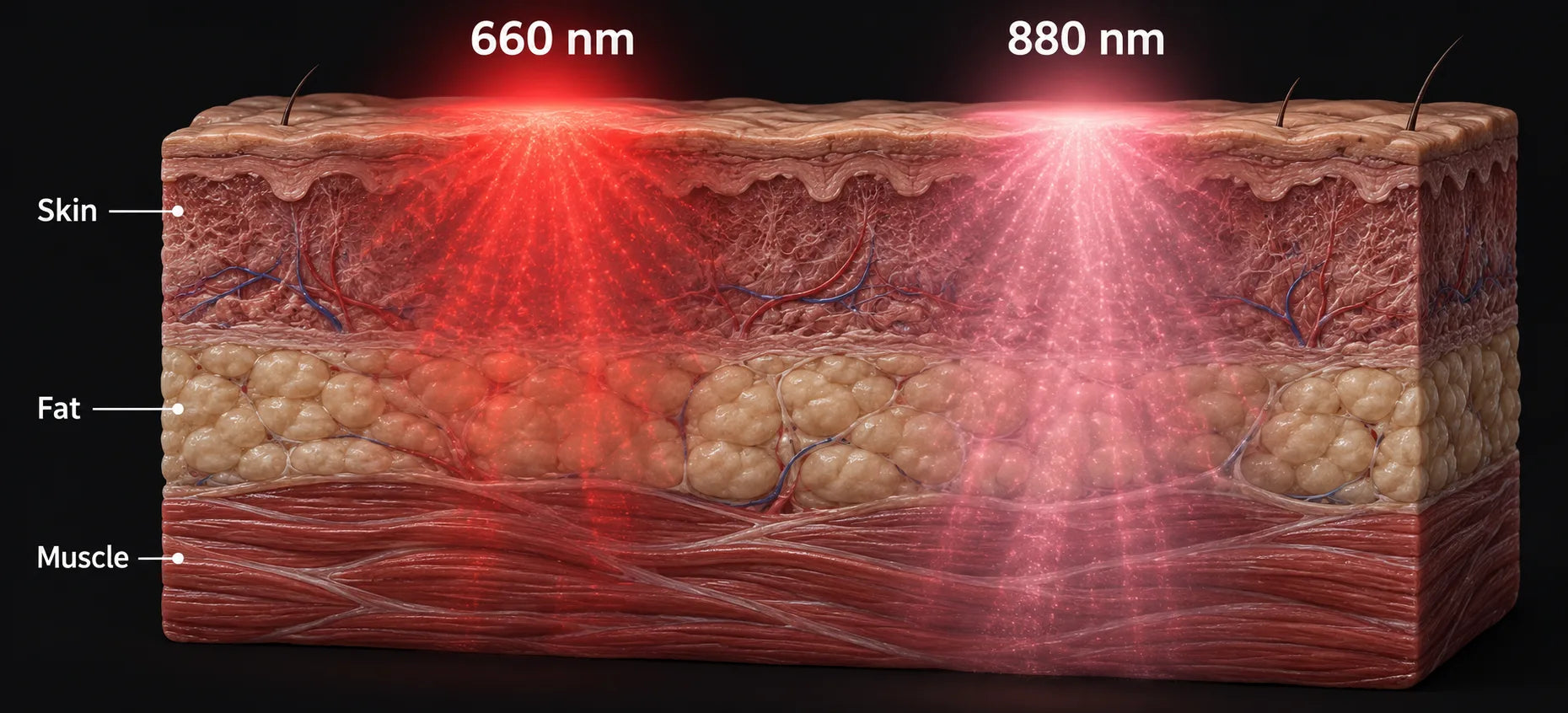
Red light · 630–660 nm
Visible red light is absorbed in the skin and superficial tissue, where it boosts circulation and calms surface inflammation and swelling.
Near-infrared · 810–880 nm
Invisible near-infrared travels centimetres deeper, into muscle, tendon, joint and spinal tissue, wherever your pain sits. Stacking 810, 830 and 850 nm in the panels covers the full depth of that band.
Wavelength is one part of treatment. Output, coverage, session duration and positioning also matter — wraps hold the LEDs directly against the sore area; panels cover a whole region at higher output.
of participants reported less joint pain in studies on arthritis and inflammation.
average rating across 905 verified customer reviews.
happy customers treating pain at home with Infraredi.
day risk-free trial. Feel the difference or send it back.

Trusted by thousands



Common questions
Many customers feel a difference within the first two weeks of consistent use. For chronic joint or back pain, allow four to eight weeks of sessions three to five times a week.
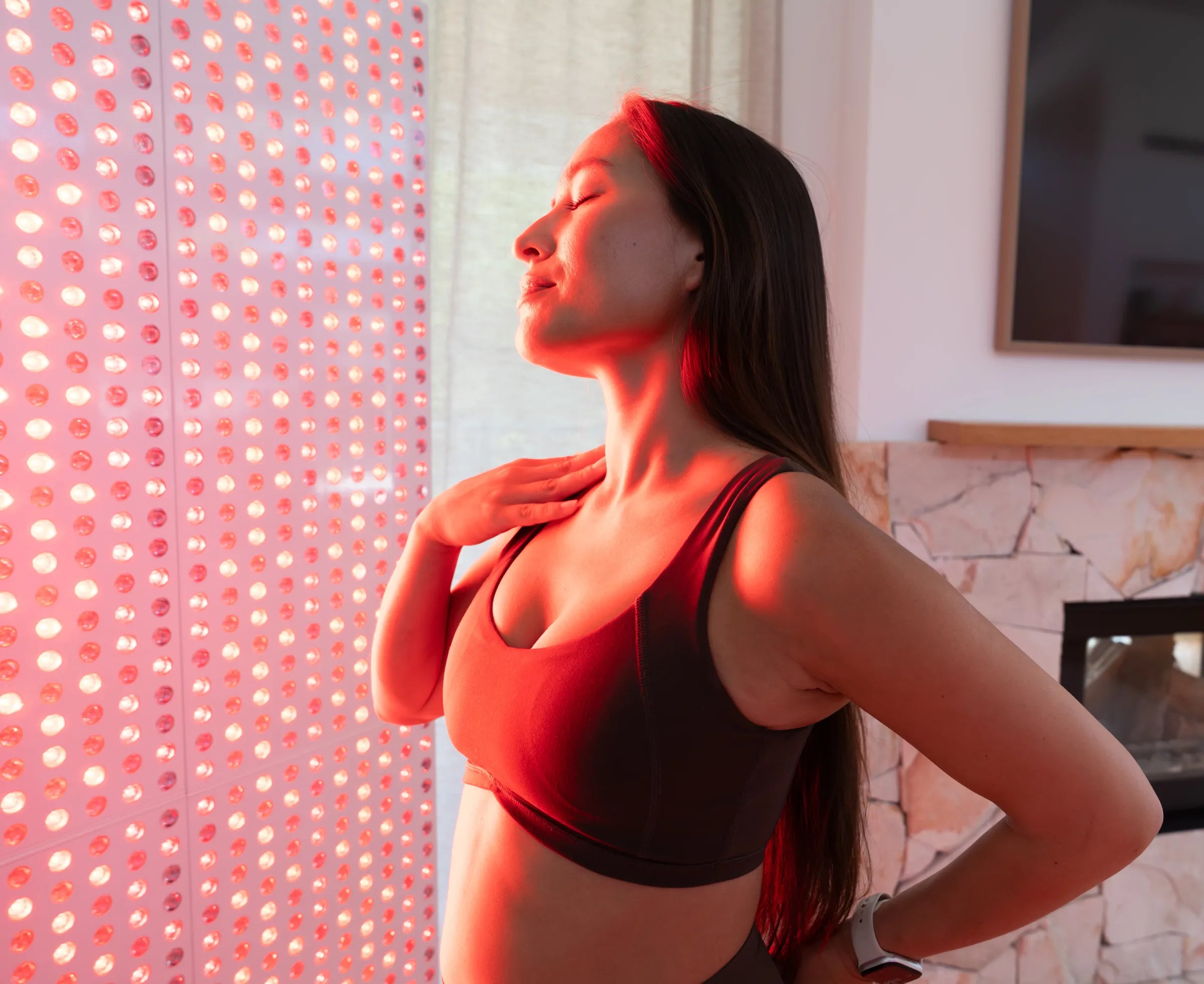
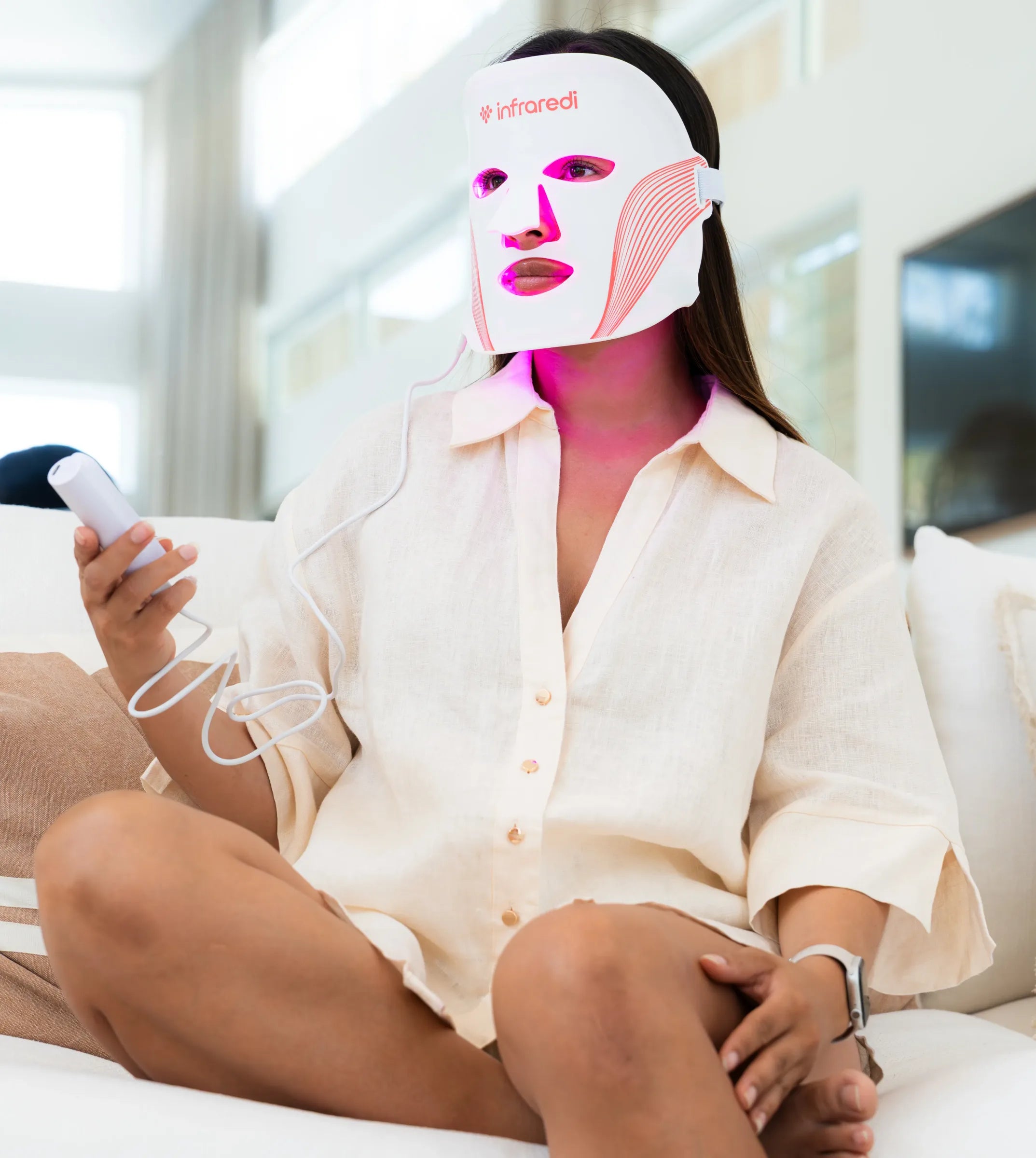
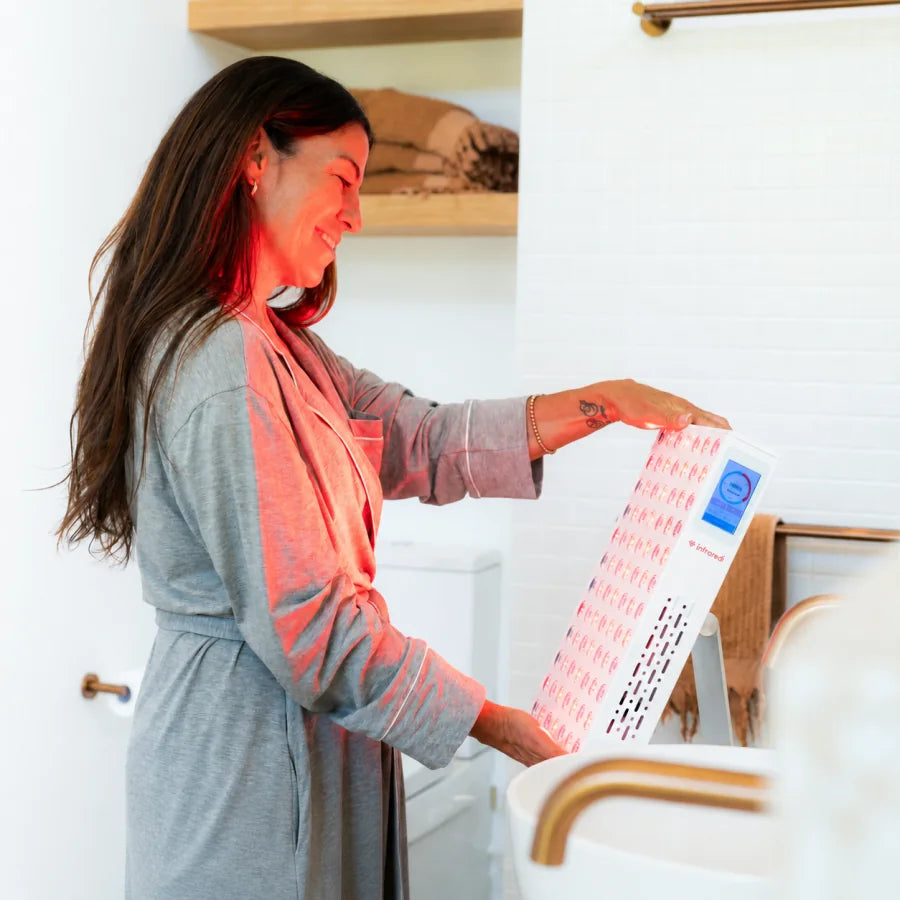
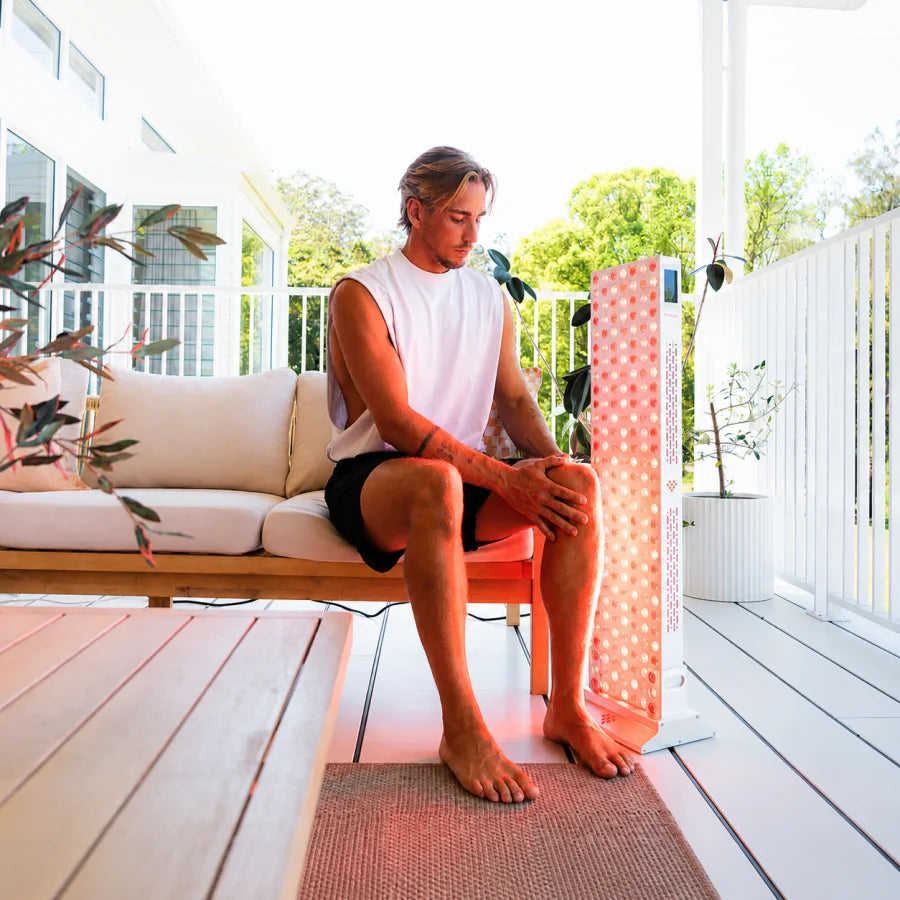
Wraps sit directly on the sore area and are ideal for one or two trouble spots. Panels treat a larger region at once, so they suit widespread pain, recovery and anyone who also wants skin benefits.
Yes. Infraredi devices are non-invasive, drug-free and produce no UV. Follow the session times in your guide and speak with your doctor if you are pregnant, photosensitive or on medication that affects light sensitivity.
Red light therapy is commonly used as a complement to physiotherapy, exercise and prescribed treatment. It does not replace medical advice.

Not sure which is right for your pain?
Take our quick quiz to find the device that fits where it hurts.
TAKE THE QUIZ NOWAnswer a few quick questions about your pain, treatment goals and lifestyle.